
What Is FR Clothing? Meaning, Types & How It Works
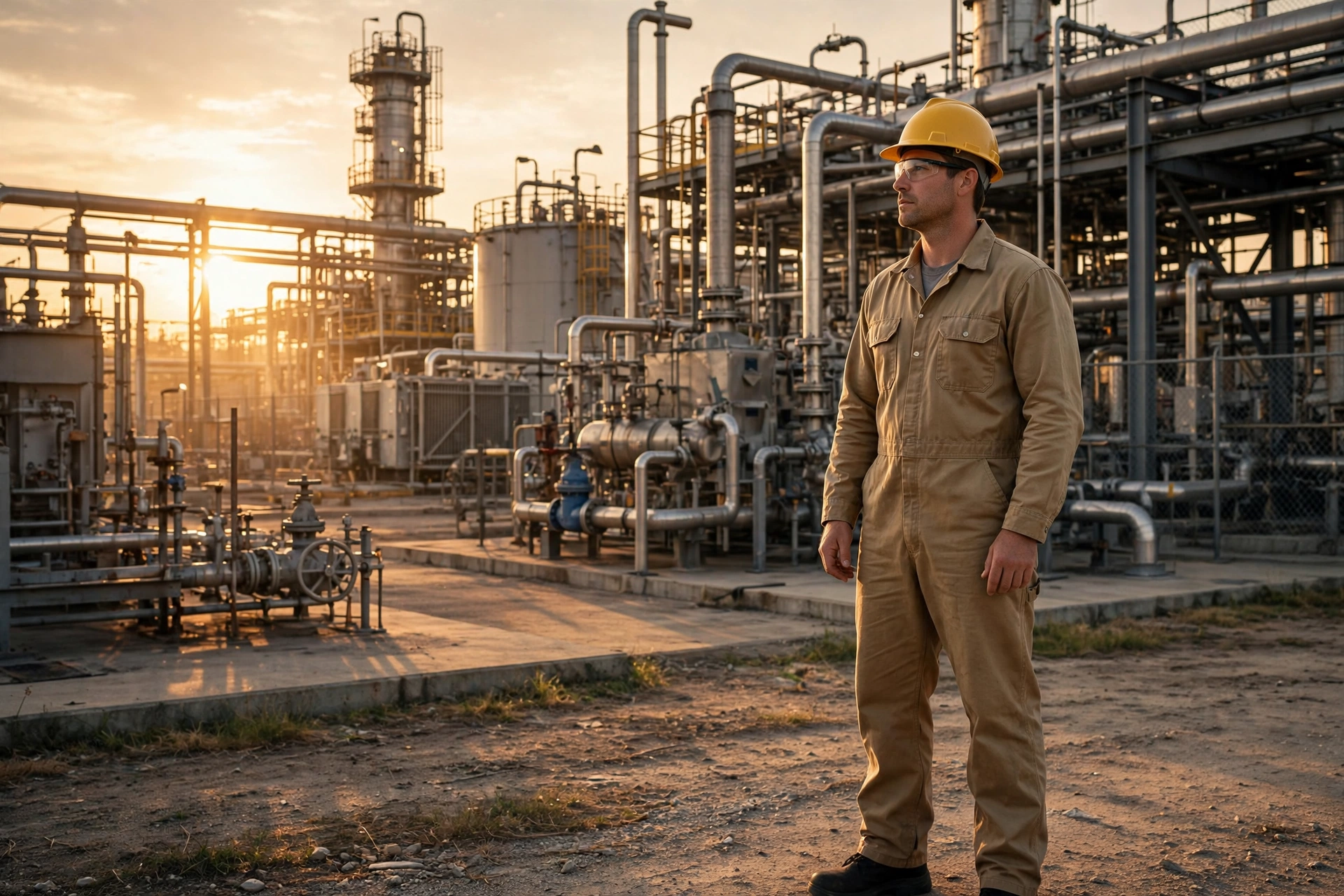
If you work around open flames, molten metal, or electrical equipment, you’ve probably seen the letters “FR” on workwear tags — and wondered what they actually guarantee. FR clothing is personal protective equipment (PPE), not fashion. Understanding what it is, how it works, and what it can’t do is the first step to staying safe on the job.
What Does FR Stand For in Clothing?
FR stands for flame resistant (sometimes written as flame retardant). It describes clothing engineered to resist catching fire — and critically, to self-extinguish once the flame source is removed.
That last part matters more than most people realize. Regular cotton keeps burning after the flame is gone. FR clothing stops. Those few seconds of difference are what prevent a survivable incident from becoming a life-threatening burn injury.
What Is FR Clothing? (Simple Definition)
FR clothing is workwear made from special fabrics or treatments that:
- Resist ignition — harder to catch fire than regular clothing
- Self-extinguish — stop burning when the heat source is removed
- Don’t melt or drip — unlike polyester or nylon, which melt onto skin and cause severe burns
It protects against two main hazards: flash fire (a sudden, intense fire that sweeps through an area, common in oil and gas) and arc flash (an explosive release of energy from electrical equipment).
FR vs Fireproof: The Difference That Matters
Let’s clear up the most dangerous misconception first: FR clothing is NOT fireproof.
No clothing makes you invincible. In extreme, prolonged heat, FR garments will eventually burn. What they do is buy you time — they won’t ignite easily, won’t continue burning on their own, and won’t melt onto your skin. That time is often the difference between escaping with minor injuries and suffering severe burns.
Anyone who tells you FR clothing makes you “fireproof” is wrong, and believing it can get you killed.
How Does FR Clothing Work? Inherent vs Treated
All FR clothing gets its protection one of two ways:
Inherent FR Fabrics
The flame resistance is built into the fiber itself — it can’t wash out or wear off. Common examples:
- Nomex (aramid fiber) — the gold standard; lightweight, extremely durable
- Kevlar blends — often blended with other fibers for comfort
- Modacrylic blends — inherently FR synthetic fibers
Inherent FR garments typically last 2.5 to 4 years with proper care. The protection lasts as long as the garment itself.
Treated FR Fabrics
Regular fabric (usually cotton) is chemically treated to make it flame resistant. Common examples:
- Treated 100% cotton — comfortable and affordable
- 88/12 cotton-nylon blends — treated for longer life
Treated FR is generally cheaper and more comfortable, but the treatment has a lifespan. Treated 100% cotton lasts roughly 12 to 16 months of regular use; 88/12 blends last 18 to 30 months. After that, the garment may look fine but no longer protect you — which is why knowing when to replace FR clothing matters.
Which is better? Neither is universally superior. Inherent FR lasts longer and can’t lose its protection in the wash; treated FR costs less upfront and often feels more like regular workwear. The right choice depends on your hazard level, budget, and how often you’ll wear it.
What Is FR Clothing Made Of?
FR garments are made from a short list of proven materials: For a deeper breakdown, see our guide on what FR clothing is made of.
| Material | Type | Key trait |
|---|---|---|
| Nomex (aramid) | Inherent | Lightweight, longest-lasting |
| Kevlar blends | Inherent | High strength, often blended |
| Modacrylic | Inherent | Soft, good for base layers |
| Treated cotton | Treated | Comfortable, affordable |
| Treated cotton-nylon (88/12) | Treated | Longer treatment life |
What FR clothing is never made of: untreated polyester, nylon, or other synthetics that melt. Wearing a polyester shirt under FR coveralls defeats the purpose — in an arc flash, the FR outer layer protects while the polyester underneath melts into your skin.
FR Clothing Ratings Explained
FR garments carry ratings that tell you how much protection they offer:
- Arc rating (cal/cm²) — the amount of heat energy the fabric can block. Higher is better.
- CAT levels (NFPA 70E) — PPE categories for electrical work:
- CAT 1: 4 cal/cm² (basic electrical tasks)
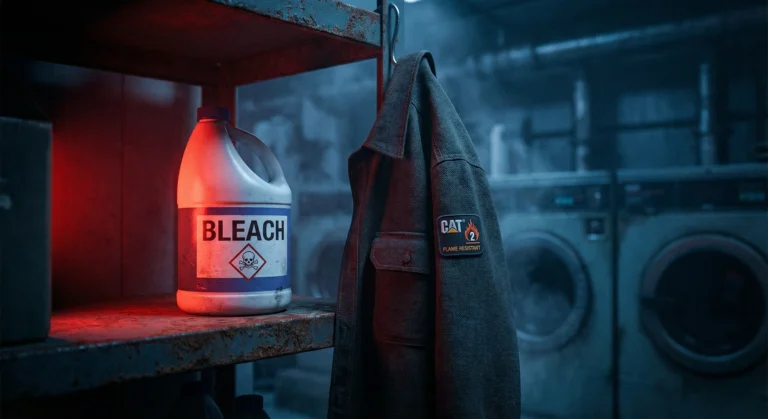
- CAT 2: 8 cal/cm² (most common for electricians)
- CAT 3: 25 cal/cm² (high-energy equipment)
- CAT 4: 40 cal/cm² (heavy industrial electrical)
- NFPA 2112 — the standard for flash-fire protection (oil, gas, chemical industries).
- NFPA 70E — the standard for electrical arc-flash protection.
Your employer should determine which rating you need — never guess.
Who Needs FR Clothing?
FR clothing is required or strongly recommended for:
- Electricians and electrical workers (arc flash hazard — NFPA 70E)
- Oil and gas workers (flash fire hazard — NFPA 2112)
- Welders (sparks and molten metal)
- Utility linemen (electrical + outdoor hazards)
- Chemical plant workers (flash fire risk)
- Combustible dust environments (grain, mining, manufacturing)
In many of these industries, it’s not optional — OSHA regulations and company safety policies mandate it.
How Long Does FR Clothing Last?
It depends on the type (see above), but the bigger point is this: a garment can look perfectly fine and still be unsafe. Fading, thinning fabric, and broken closures are warning signs — but treated FR can lose protection invisibly.
That’s why FR clothing needs a retirement plan, not just a washing routine.
Taking Care of FR Clothing
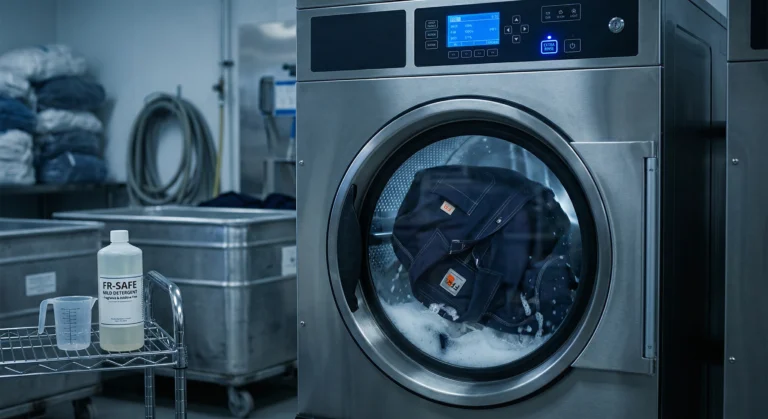
FR protection only works if the garment is properly maintained. The short version:
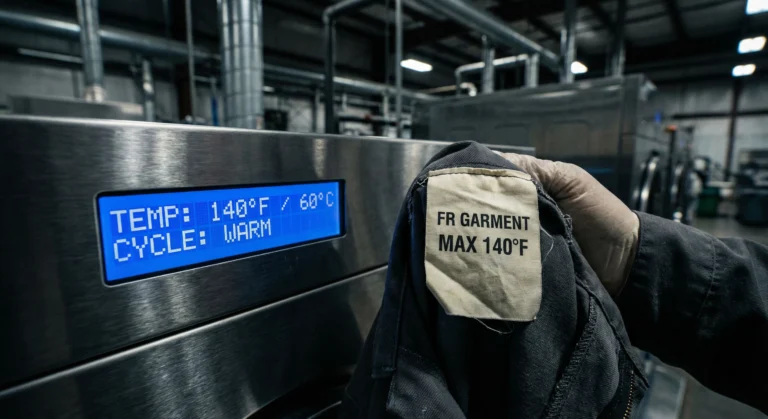
- Wash separately in warm water (max 140°F/60°C)
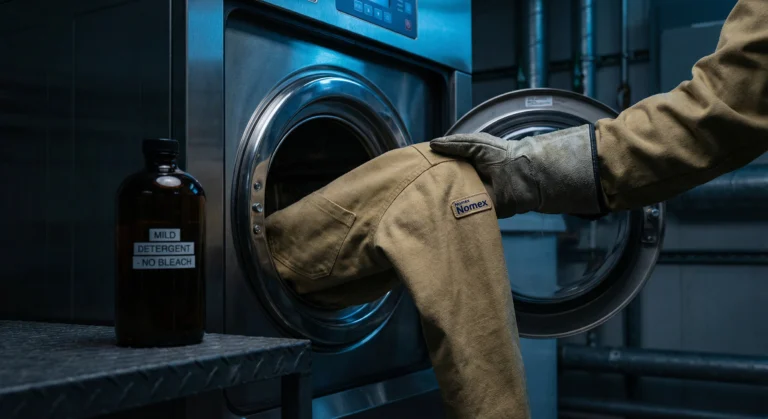
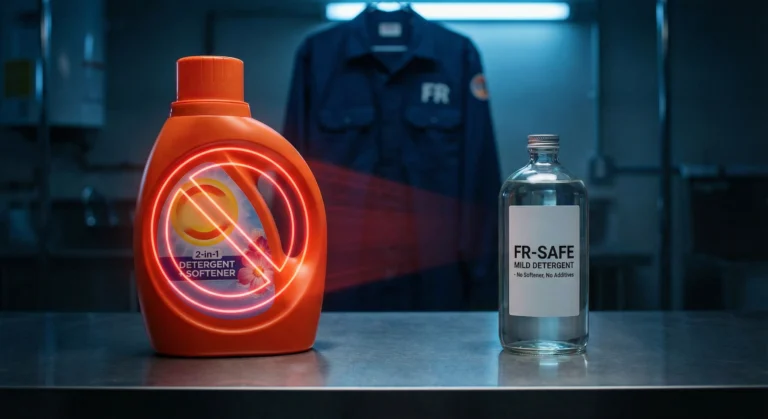
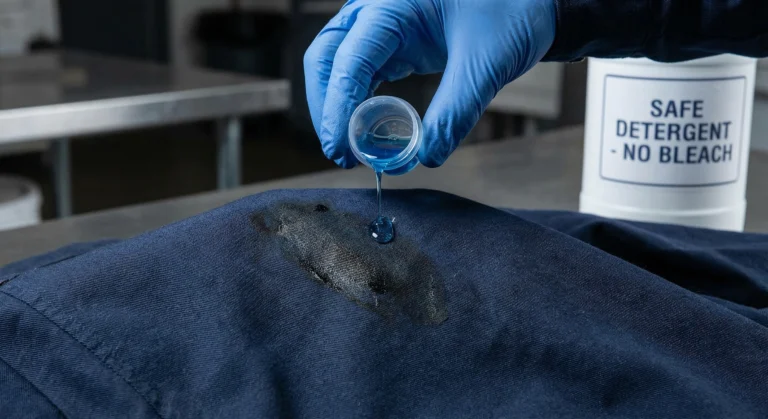
- Use mild detergent — never bleach, fabric softener, or starch
- Tumble dry low or line dry
- Inspect before every wear
Get the complete routine in our FR clothing care guide.
FAQs
What does FR mean in clothing?
FR means flame resistant — clothing designed to resist ignition and self-extinguish, protecting against flash fire and arc flash.
Is FR clothing fireproof?
No. FR clothing resists ignition and self-extinguishes, but it will burn under extreme prolonged heat. It is protective equipment, not a guarantee.
Does FR wash out?
Inherent FR (Nomex, aramid) never washes out — the protection is in the fiber. Treated FR (treated cotton) gradually loses its chemical treatment over 12–30 months depending on the fabric.
Can you wear regular clothes under FR clothing?
You can wear natural fibers like cotton underneath. Never wear untreated synthetics (polyester, nylon) under FR — they melt in high heat and cause severe burns even if the FR layer holds.
What is the difference between FR and arc-rated?
All arc-rated clothing is FR, but not all FR clothing is arc-rated. Arc-rated means it’s been tested and rated for electrical arc flash (cal/cm²); FR alone may only cover flash fire. For electrical work, you need arc-rated.
Related: How to Wash FR Clothing | Best Detergent for FR Clothing
2 Comments