
How to Remove Diesel Smell From FR Clothing (Without Ruining Protection)
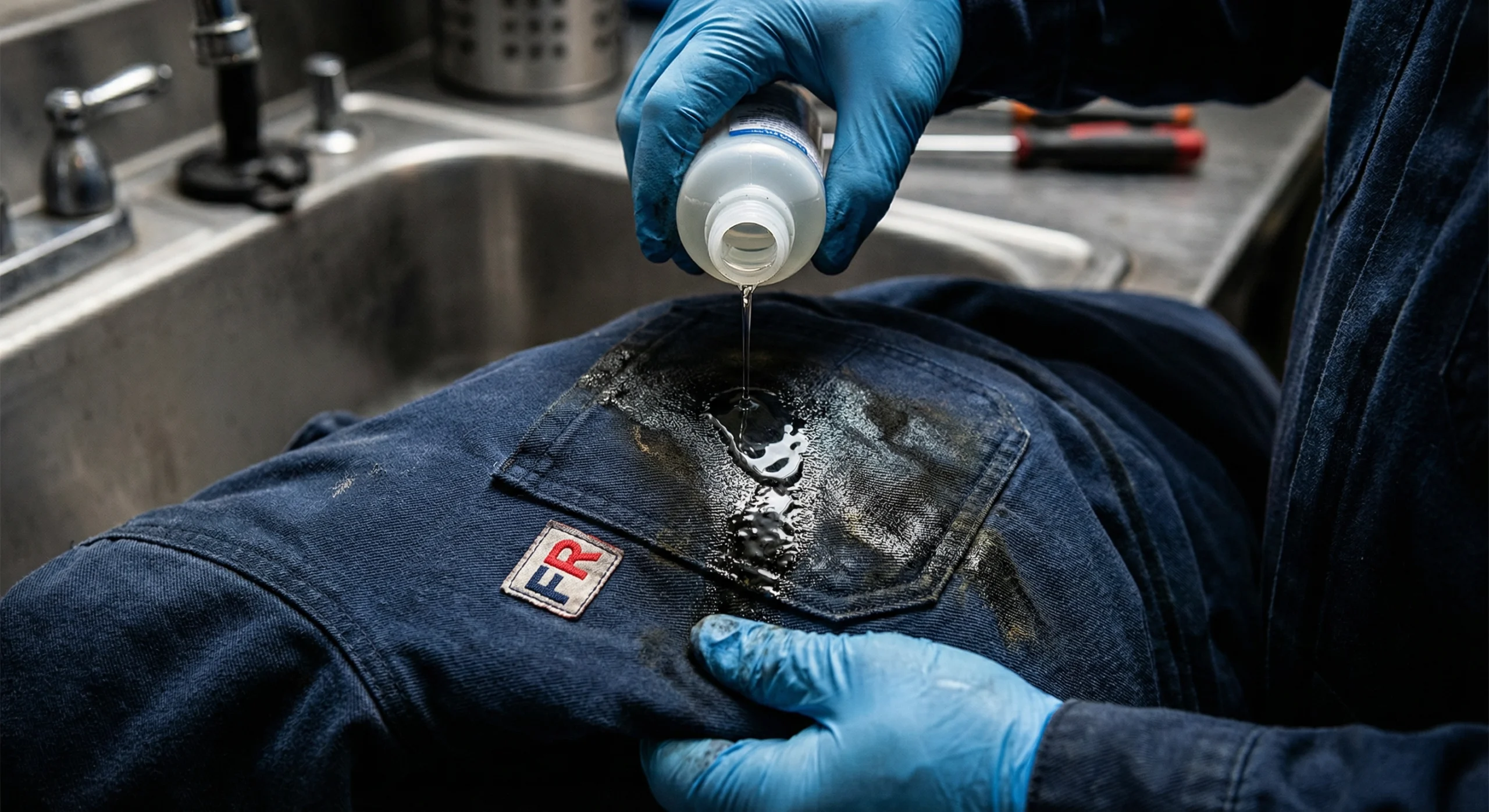
Diesel and fuel odors in FR workwear aren’t just unpleasant—fuel is a flammable contaminant, and contamination can reduce the thermal performance of flame-resistant garments.
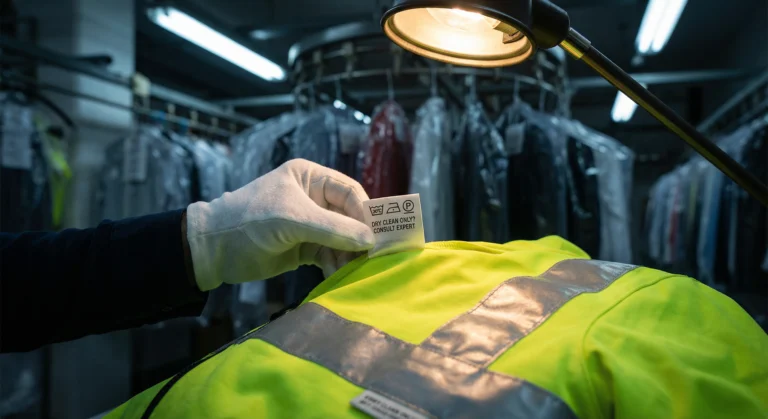
This guide uses a conservative approach: separate load, degrease gently, rinse well, avoid risky additives, and treat drying as a safety step.
Safety note: Always follow the garment care label and your workplace safety program. If gear is contaminated with fuel or hazardous chemicals, remove it from service and follow workplace procedures.
Quick Links:
Step 0: Safety first (before washing)
- Keep the garment away from sparks/flames.
- If it’s heavily soaked, treat it as a safety incident and follow your workplace procedure.
- Bag it for transport if needed (reduce contaminant spread).
- Wash it separately from household laundry.
Step 1: Pre-treat (degrease without “forbidden chemistry”)
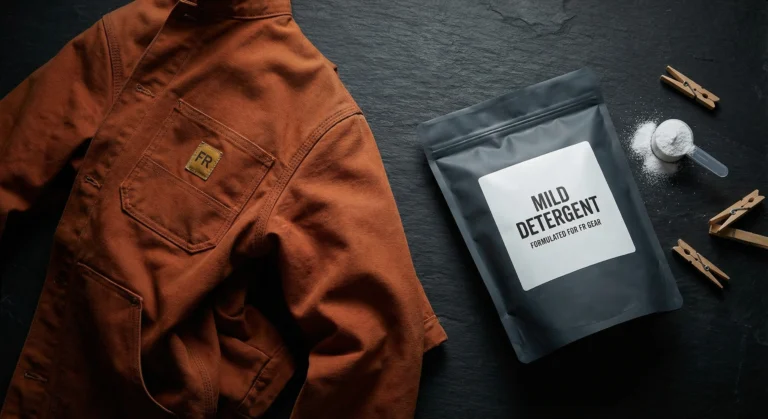
- Apply a small amount of your regular detergent directly to the affected areas (collar, thighs, cuffs, knees).
- Gently work it in (no aggressive brushing on delicate areas).
- Let it sit briefly, then wash.
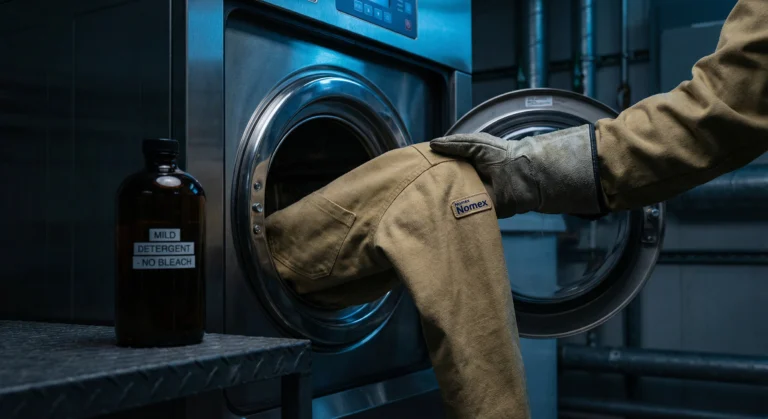
For oil-based contamination on Nomex fire clothing, NWCG notes research and recommends cleaning as soon as possible following normal Nomex laundering procedures using a degreaser such as a detergent or laundry soap, and keeping contaminated clothing separate.
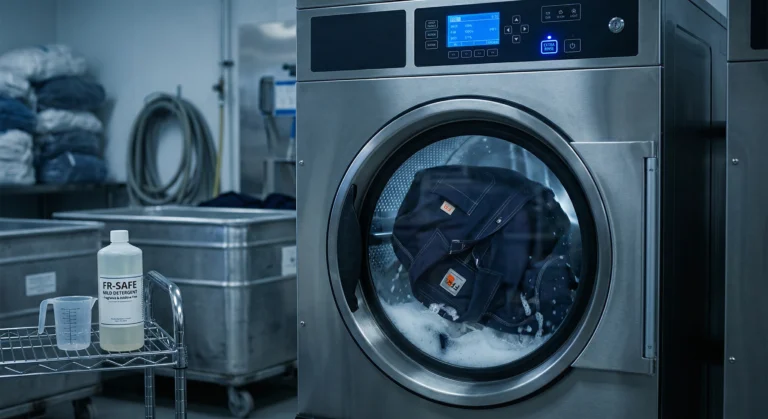
Step 2: Wash (label-friendly baseline)
- Turn inside out.
- Warm wash if allowed (stay under label limits).
- Use an extra rinse (helps remove fuel residues and detergent film).
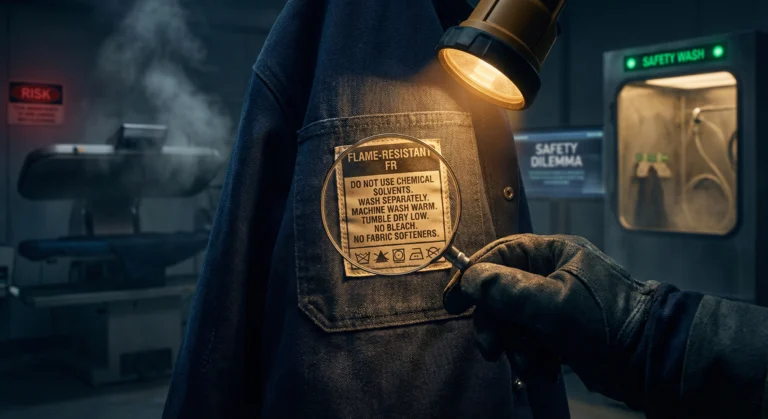
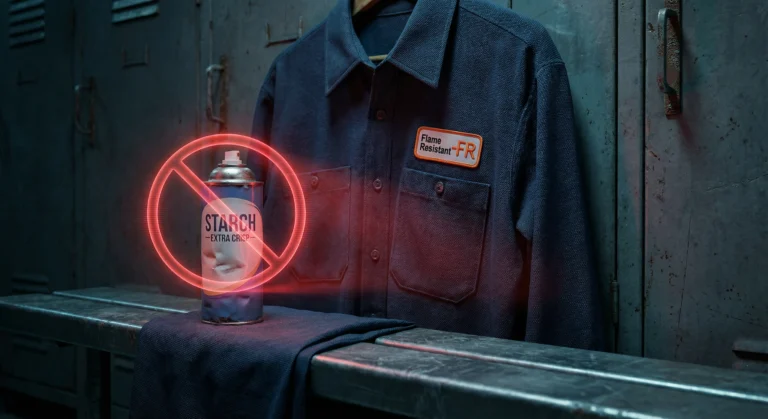
Avoid prohibited add-ons unless your label allows them:
- fabric softeners / dryer sheets
- chlorine bleach
- hydrogen peroxide / oxygen bleach (commonly prohibited by FR labels)
Step 3: Drying: do NOT create a fire risk
- If there is any fuel odor remaining, do not use a dryer. Air-dry outdoors and reassess.
- Many fire-prevention sources warn not to place clothing soiled with flammable substances (gasoline, grease, oil) into a dryer.
Step 4: When to stop and escalate (industrial laundering or retire)
Escalate when:
- odor persists after multiple conservative washes
- the garment was heavily saturated
- you suspect hazardous chemical exposure
- visible damage (tears/holes) compromises coverage
Some NFPA 2112 user guidance states that garments contaminated by hazardous materials must be removed from service and retired unless proven safely decontaminated by qualified authority.
Also Read: PPE decontamination and retirement guide
FAQ
Can I “mask” the smell with fragrance boosters?
Avoid. Fragrance doesn’t remove fuel residue and may add unwanted chemistry to FR garments.
Do I need to wash FR gear frequently?
Yes—keeping FR gear clean helps remove contaminants that can act like fuel on the surface.
Sources for ( references)
2 Comments