
When to Replace FR Clothing (Inspection + Retirement Checklist)
FR / arc-rated workwear is safety equipment. It protects you only when it’s clean, intact, and correctly maintained. This guide gives a practical way to decide when to keep wearing FR garments, when to repair (if permitted), and when to remove from service and replace.
Always follow your employer’s safety program and the garment maker’s instructions.
Quick links:
1) Monthly FR inspection checklist (fast but thorough)
Some NFPA 2112 user guidance (example: 5.11’s guide) recommends inspecting FR garments:
- upon receipt
- at least monthly
- before/after each use and cleaning
- after any incident involving damage or contamination
Check these areas first (high wear zones)
- shoulders, elbows, cuffs
- crotch and knees (pants)
- seams (inside and outside)
- closures (zippers, snaps, buttons)
- pockets and pocket corners
Look for these specific problems
The 5.11 NFPA 2112 guide lists examples of wear/damage to inspect for, including:
- rips/tears/holes
- brittle/stiff material
- discoloration
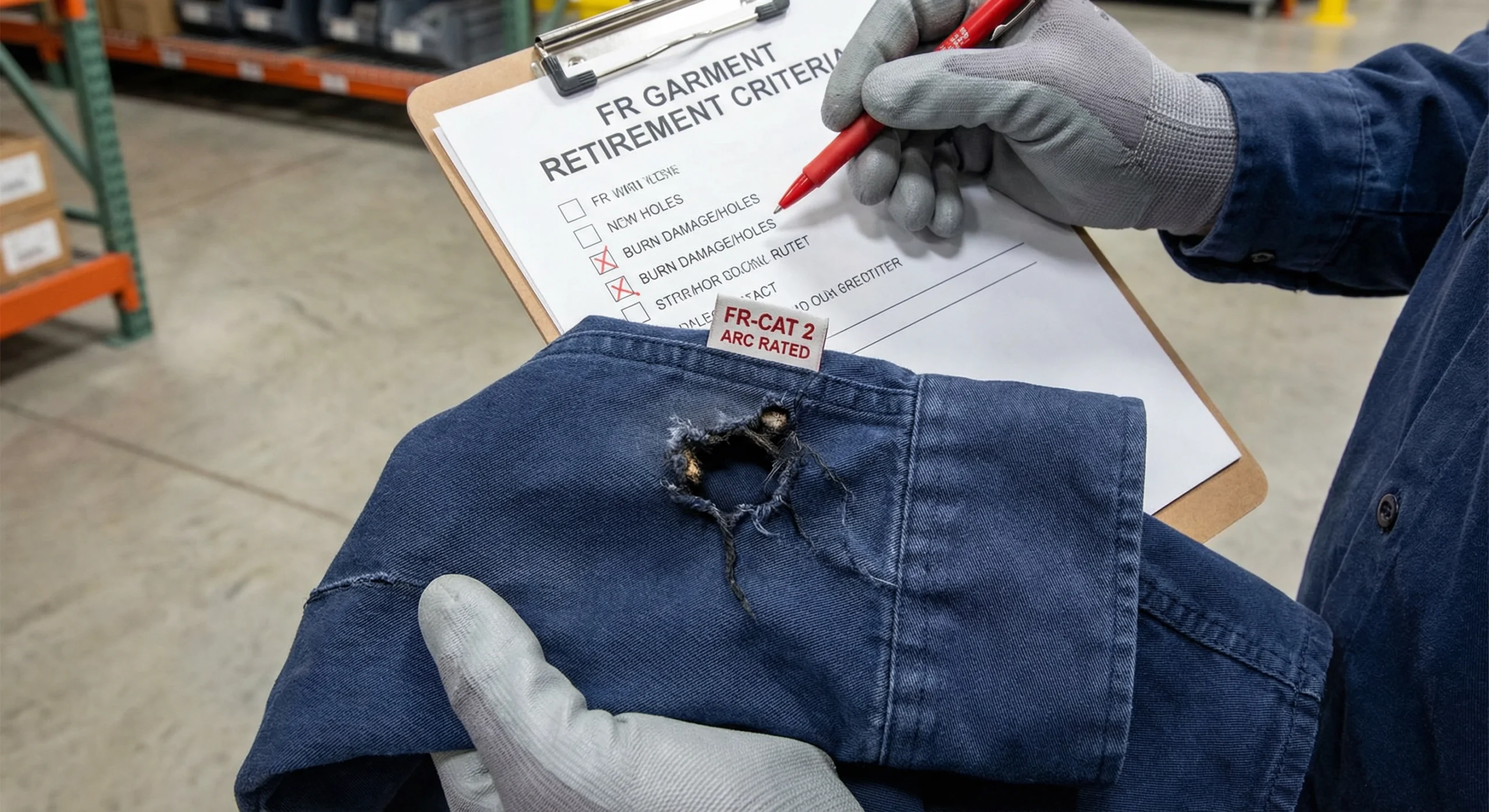
- charring/burn damage
- seam integrity issues
- closure operation issues
2) “Remove from service now” situations
A) Hazardous chemical contamination
NFPA 2112 user guidance states garments contaminated by hazardous or caustic materials (solvents, liquids, dusts, mists, fumes, vapors) must be immediately removed from service and retired unless a qualified authority demonstrates proper decontamination and safe reuse.
Also Read: PPE decontamination guide
Practical takeaway: if it’s not “normal dirt,” don’t guess.
B) Burn damage / charring
Any charring or burn damage is a serious signal. Even if the garment “looks okay,” heat exposure can weaken fibers and seams.
C) Tears, holes, seam failures
Ariat’s FR FAQ is extremely direct: it states you must not use FR workwear if you have a rip or other damage (and says you cannot repair it).
Not every brand has the same repair policy—but that statement reflects the safety mindset: if structure is compromised, treat it as replace/retire unless your program allows compliant repair.
3) “Replace soon” warning signs (don’t wait for failure)
Brittle, stiff, or weak fabric
The 5.11 NFPA 2112 guide lists “brittle/stiff material” as an inspection issue.
It also lists retirement considerations including garments affected by sunlight/UV or general reuse to the point fabrics become stiff or weak.
Discoloration + persistent odor that won’t wash out
Contamination that persists after proper laundering may indicate embedded flammables or chemical exposure—escalate to your safety program.
Also Read: improper laundering can shorten FR garment life
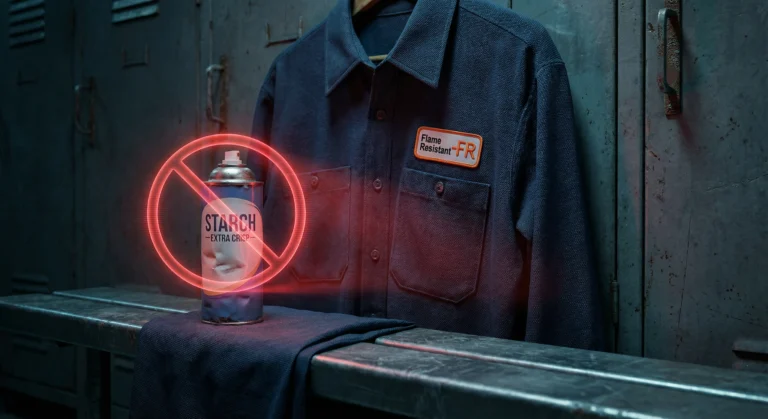
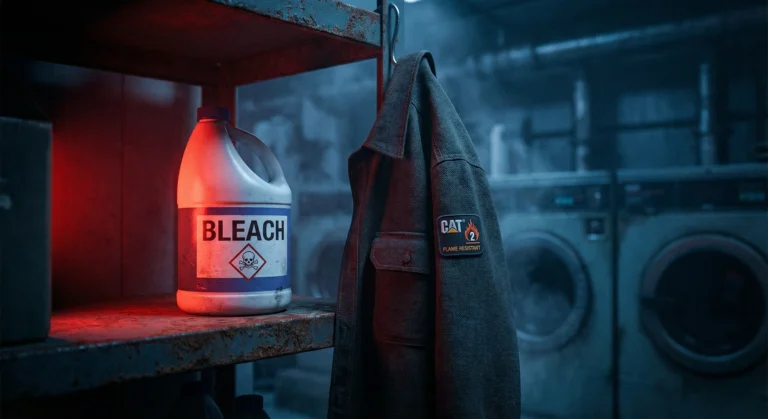
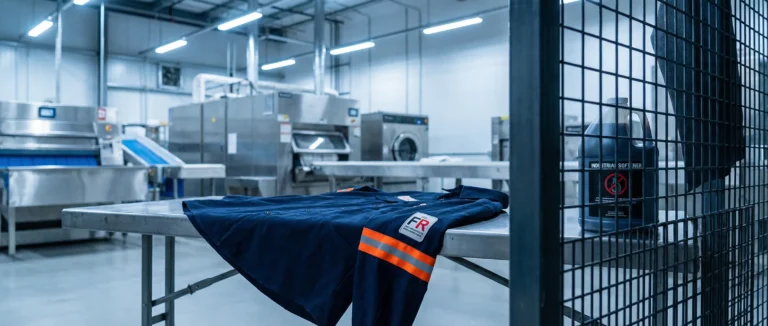
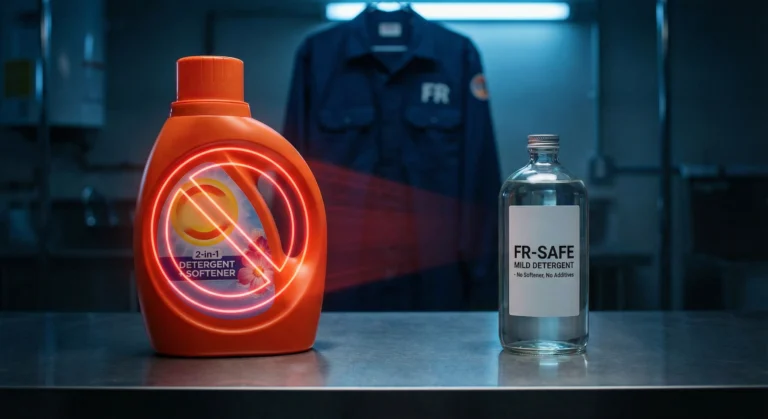
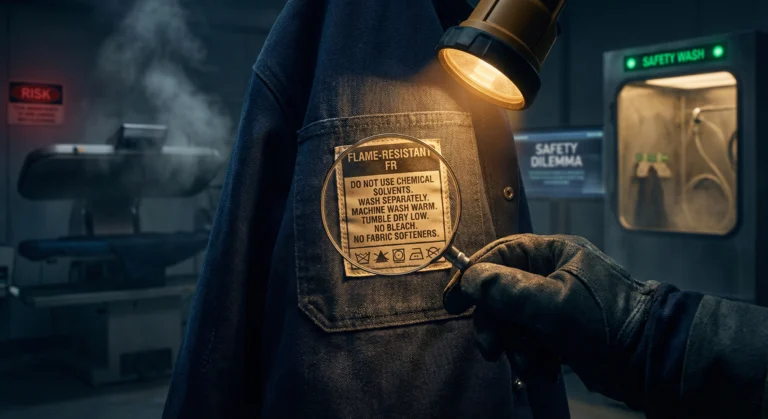
Evidence of repeated improper care
The 5.11 NFPA 2112 guide includes retirement considerations such as garments affected by improper care procedures.
4) Replacement timing: there is no universal number
Some organizations try to assign a fixed life (e.g., “X months”). In reality, useful life depends on:
- hazard exposure
- cleaning frequency and method
- contamination type
- garment build quality
- storage (UV/humidity)
The 5.11 NFPA 2112 guide explicitly notes there’s no indefinite useful life and recommends organizations create a replacement program based on experience because it’s impossible to provide a single time frame.
5) What to document (makes replacement decisions easier)
Keep a simple log:
- purchase date
- number of washes (if tracked)
- any contamination incidents
- repairs performed (if allowed)
- inspection notes (monthly)
FAQ
Can I keep wearing FR clothing with a small hole?
Treat holes/tears as remove-from-service until repaired or replaced (depending on your program). Some FR brands are strict about “do not use.”
Does fading mean it’s unsafe?
Fading alone isn’t always a failure, but UV exposure and fabric weakening are listed as retirement considerations in NFPA-style guidance—inspect carefully.
One Comment