What Is High Visibility Clothing? Types, Classes & Uses
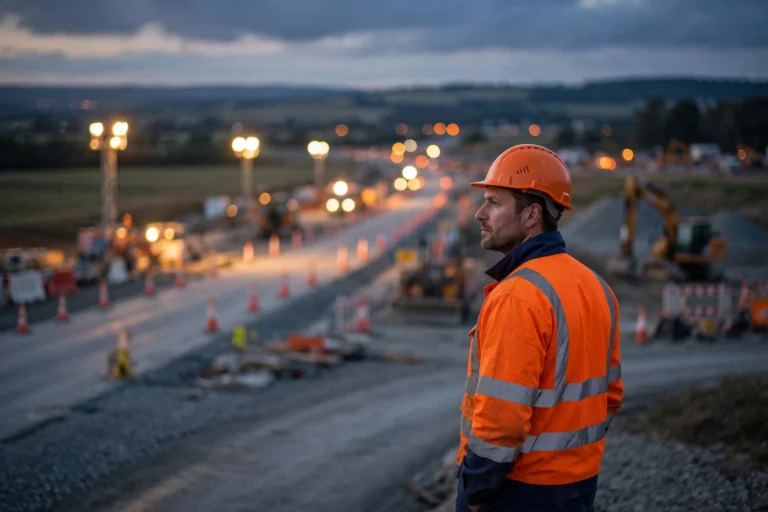
That neon yellow vest directing traffic isn’t fashion — it’s engineered visibility. High visibility clothing is workwear designed to make the wearer conspicuous to drivers and equipment operators in daylight, low light, and darkness. If your job puts you near moving vehicles or machinery, hi-vis is often the difference between being seen and being a statistic.
What is high visibility clothing? It is workwear that combines fluorescent background fabric with retroreflective tape so the wearer stands out in daylight, low light, and darkness. It is rated into Classes 1, 2, and 3 under ANSI/ISEA 107, with higher classes carrying more visible material for higher-risk work near traffic.
The Two Parts of Hi-Vis
Every hi-vis garment works through two components doing two different jobs:
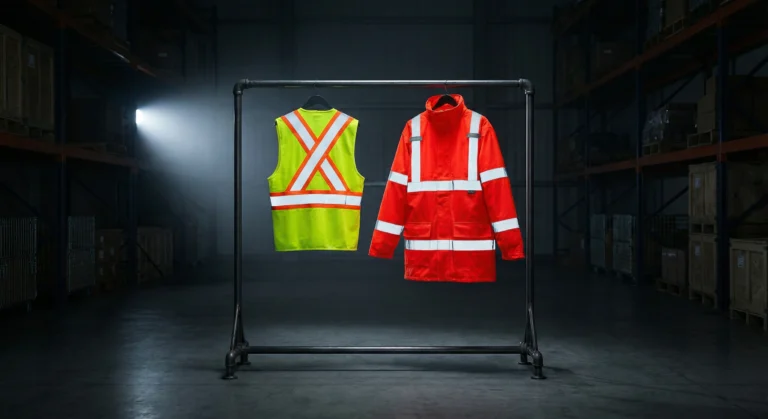
- Fluorescent background material — the neon yellow-green, orange-red, or red fabric. It absorbs UV light and re-emits it as visible brightness, making the wearer stand out in daylight and dusk. This is the daytime system.
- Retroreflective tape — the silver stripes. It bounces light (like headlights) directly back toward the source, making the wearer glow at night. This is the nighttime system.
A garment with only one of the two is incomplete. Bright fabric without tape disappears after dark; tape without fluorescent backing is weak in daylight. True hi-vis always combines both.
Types of Hi-Vis Garments
| Garment | Best for | Notes |
|---|---|---|
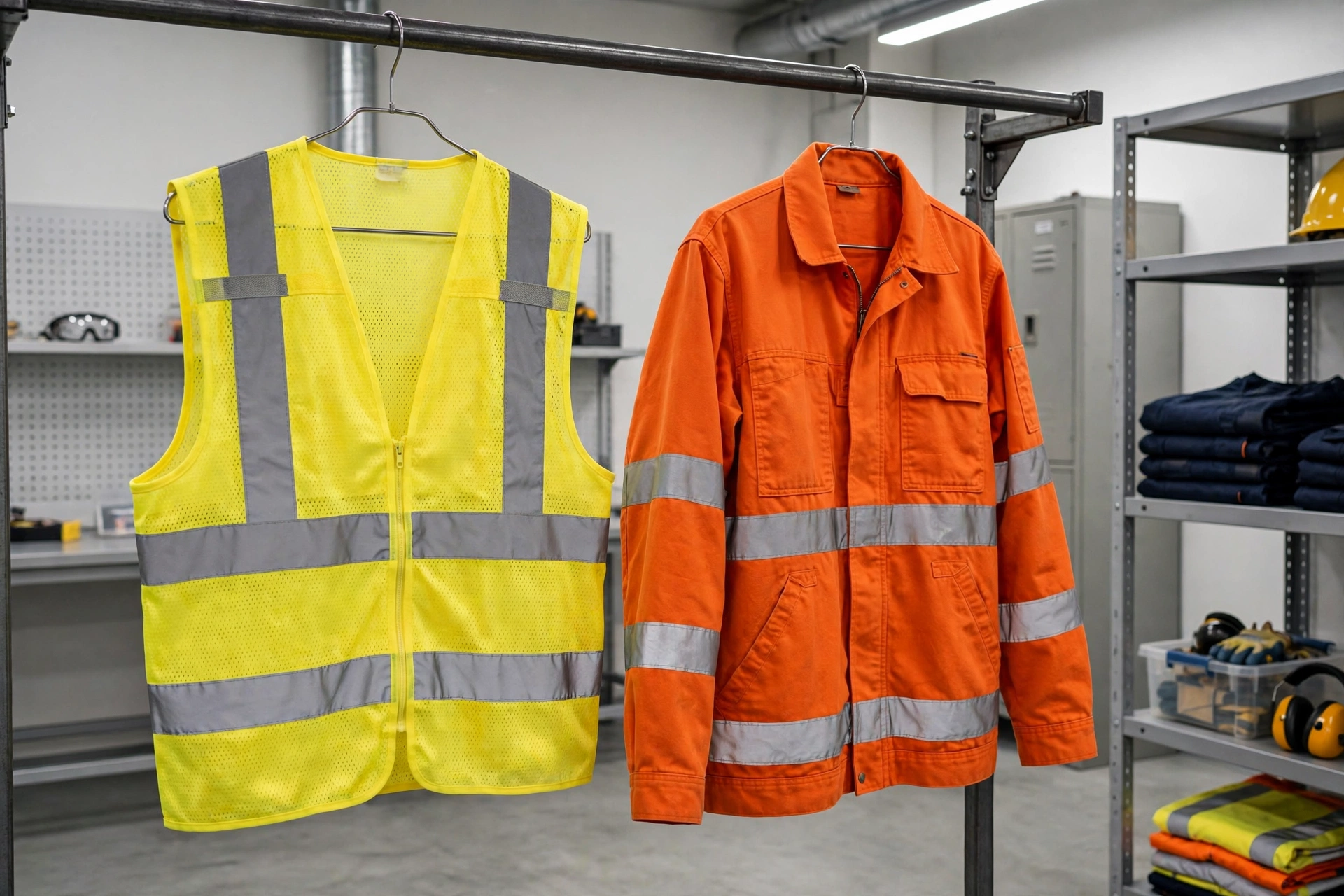
| Safety vest | Layering over any outfit; visitors and temps | Cheapest and most common; mesh versions breathe in heat |
| Hi-vis t-shirt / polo | Warm-weather daily wear | Lighter and cooler; tape usually survives fewer washes |
| Hi-vis jacket / softshell | Cold or wet weather | Heavier fabric lasts longer; often water-resistant |
| Hi-vis pants / bib overalls | Full-body visibility; night roadwork | Required for the highest protection classes |
Vests dominate because they’re cheap and fit over anything — but for workers in hi-vis all day, purpose-built shirts and jackets are more comfortable and more durable.
Hi-Vis Classes at a Glance
Hi-vis garments are rated into performance classes based on how much visible material they carry and how it’s arranged:
- Class 1 — the minimum. For low-risk settings away from traffic: warehouse workers, parking attendants, delivery drivers loading off-road.
- Class 2 — the workhorse. For roadway construction, airport ground crews, surveyors, and utility workers near traffic.
- Class 3 — the maximum. For highway-speed traffic, emergency responders, tow operators, and night roadwork — full torso plus limbs coverage.
The class is about the amount and placement of fluorescent and reflective material, not about brand or price. For the full breakdown with diagrams-level detail, see ANSI/ISEA 107 classes explained.
How to Choose the Right Hi-Vis Class
Do not pick a class by price or by what looks bright enough. Start with the hazard assessment for the job, then match the garment to the risk, the light conditions, and the layers it must fit over.
- Check traffic speed and separation: faster traffic and closer proximity call for a higher class, with Class 3 for highway-speed work.
- Consider light and weather: night work, rain, and low-light conditions put more weight on retroreflective tape, while daytime work depends on fluorescent background.
- Fit over the full outfit: a vest that cannot close over a winter jacket, or sleeves that cover the tape, will not perform as rated.
- Read the label: confirm the garment’s class and care instructions, and inspect it regularly, because a faded or damaged garment no longer delivers its rated class.
Is hi-vis required for warehouse workers?
Often, yes. Where forklifts, trucks, or other vehicles operate near pedestrians, a warehouse hazard assessment commonly calls for hi-vis, usually Class 1 or Class 2 depending on vehicle speed and separation. Where workers never share space with moving vehicles, hi-vis may not be required, but the assessment, not personal preference, decides.
When Hi-Vis Is Required
Nobody gets to decide this by personal preference — it’s set by the employer’s hazard assessment and, in many cases, by regulation:
- Road and highway work — on US road projects, the Manual on Uniform Traffic Control Devices (MUTCD) calls for high-visibility apparel for workers in the right-of-way.
- Construction sites with vehicle and equipment traffic.
- Warehouses and logistics yards where forklifts and trucks operate near pedestrians.
- Airports, rail yards, and ports — ground crews around moving aircraft and equipment.
- Emergency scenes — responders working near traffic at any hour.
- Utilities and tree work near roadways.
When in doubt, wear it. Hi-vis is cheap, and “I didn’t think I needed it” is a terrible incident report.
On the employer side, OSHA’s Personal Protective Equipment overview explains that employers must assess hazards, provide suitable protective equipment, and maintain it in a sanitary and reliable condition — which includes replacing hi-vis that has faded or lost reflectivity.
Basic Hi-Vis Care Pointers
Hi-vis is consumable safety gear — washing wears it out. Stretch its life with the basics:
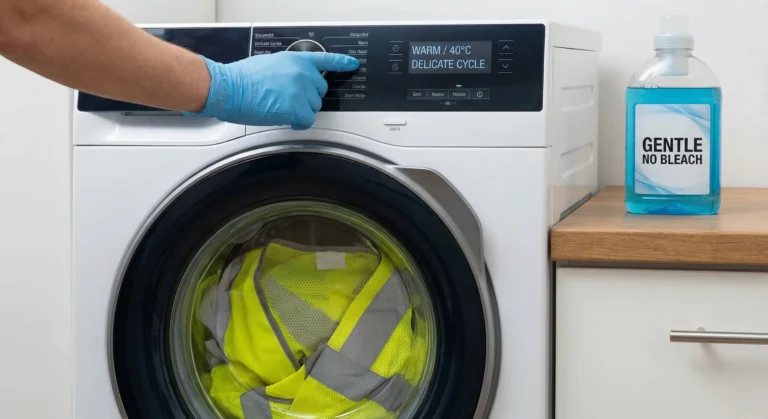
- Wash cold, inside out, gentle cycle. Heat kills fluorescence and peels tape.
- Mild detergent only. No bleach, no fabric softener — ever.
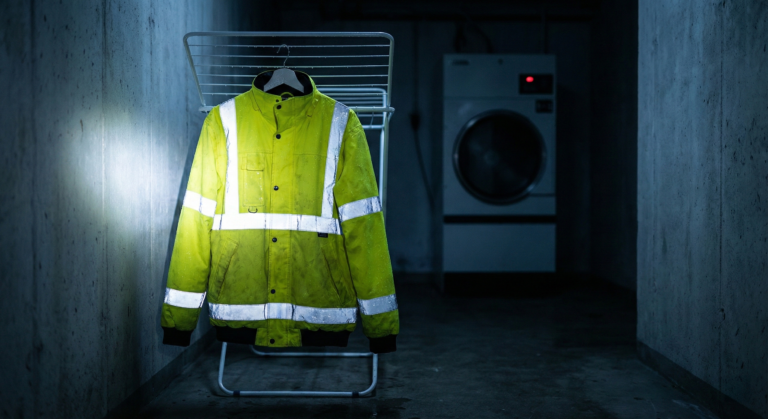
- Hang dry or tumble low. High heat is the fastest way to ruin reflective tape.
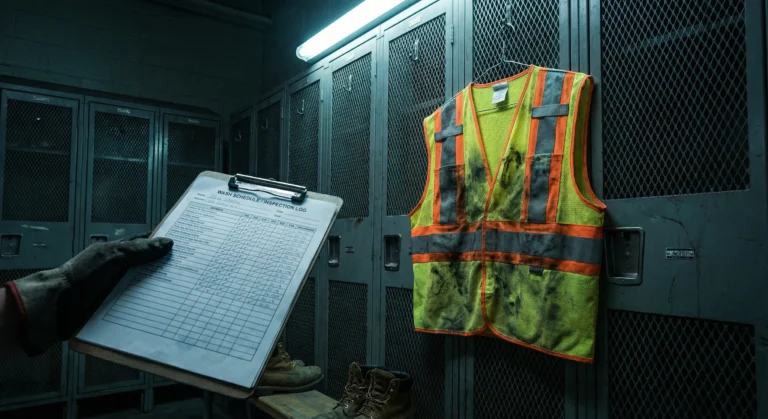
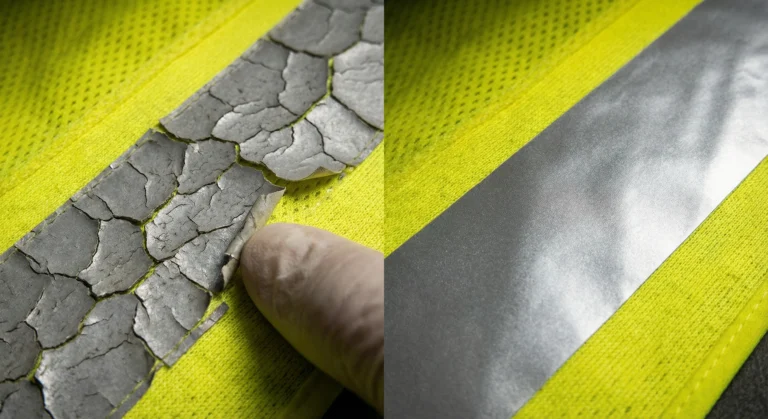
- Retire on condition. When the fluorescence fades or tape cracks, the garment is done — the full lifespan guide is how many washes hi-vis lasts.
- Need flame resistance too? Standard hi-vis melts — see hi-vis FR clothing for garments that do both jobs.
Does hi-vis clothing expire?
Effectively, yes. Washing, sunlight, and abrasion degrade both the fluorescence and the reflective tape over time. Most garments carry a rated wash count on the label, but the real rule is condition: faded color or dull tape means retirement, whatever the counter says.
FAQs
What is the difference between hi-vis and reflective clothing?
Do hi-vis colors matter, or is any neon color fine?
Can I wear a hi-vis vest over my jacket?
Related: ANSI/ISEA 107 Classes Explained · How Many Washes Does Hi-Vis Last? · Hi-Vis FR Clothing