What Is Class 2 Hi-Vis Clothing?
If you work near traffic or heavy equipment, you’ve probably been told you need a “Class 2 vest.” But what does Class 2 actually require — and how is it different from Class 1 or Class 3? Here’s the plain-English version.
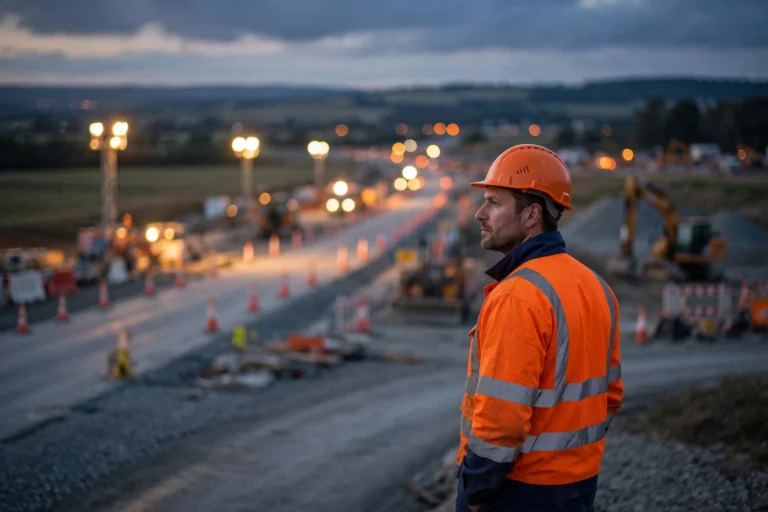
What is Class 2 hi-vis clothing? It is high-visibility workwear meeting ANSI/ISEA 107 Class 2, with enough fluorescent background material and reflective tape to be seen in complex, higher-risk settings, such as road work near traffic over 25 mph. A Class 2 garment covers the torso, not just a small area, and must carry a class marking.
What Class 2 Means
Hi-vis classes come from ANSI/ISEA 107, the US standard for high-visibility safety apparel. The class describes how much visible material a garment has — more material means you’re conspicuous from farther away and in worse conditions.
Class 2 sits in the middle: it requires significantly more fluorescent background material and reflective tape than Class 1. In round terms, a Class 2 garment needs roughly three times the background fabric of a Class 1 garment, plus wider or more extensive reflective striping. (For the exact amounts and the full breakdown, see ANSI/ISEA 107 classes explained.)
The practical meaning: Class 2 is designed for workers who need to be seen in more complex or higher-risk environments than a basic Class 1 garment covers — but who don’t need the full-body coverage of Class 3.
Typical Class 2 Garments
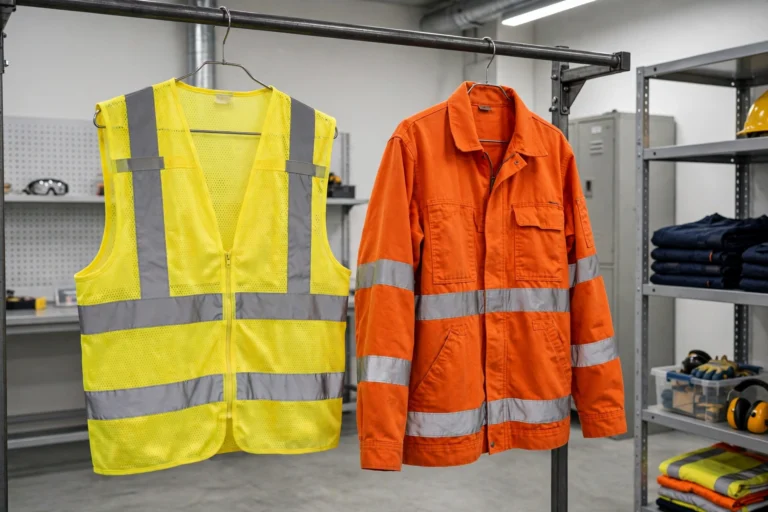
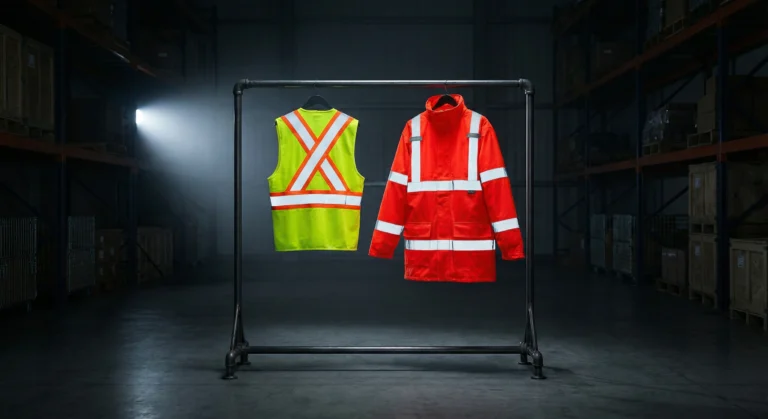
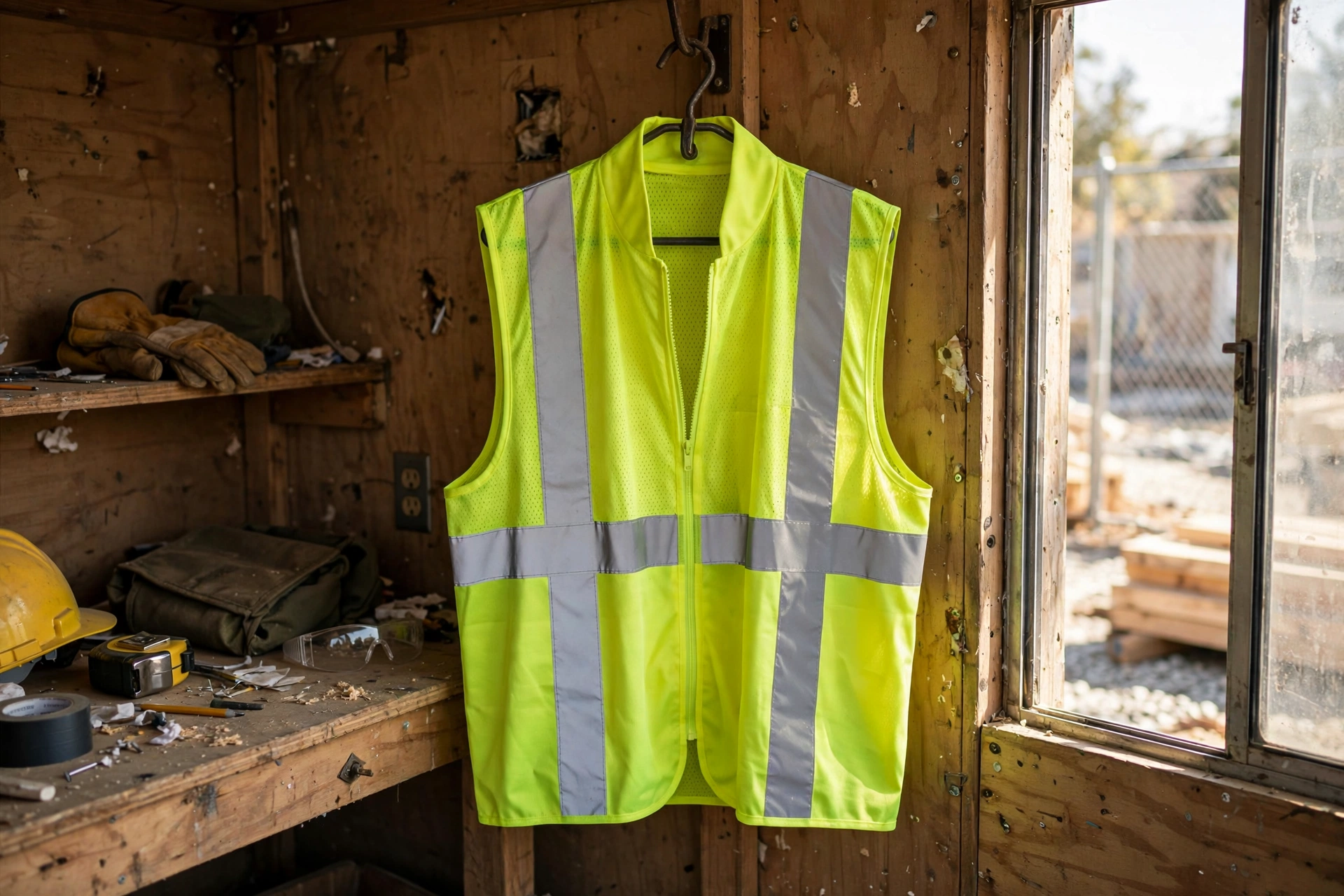
The most common Class 2 garment is the hi-vis safety vest — the sleeved or sleeveless mesh vest with vertical stripes and horizontal bands that you see on road crews everywhere. But Class 2 also includes:
- Hi-vis t-shirts and polo shirts with reflective striping
- Hi-vis rain jackets and bomber jackets
- Hi-vis hoodies and sweatshirts with tape
- Some hi-vis pants and bib overalls (usually as part of a Class 3 ensemble)
What makes them Class 2 rather than Class 1 is the amount of compliant material — a vest with generous background fabric and full striping qualifies; a skimpy vest with thin tape might only make Class 1.
When Class 2 Is Required vs Class 1 or Class 3
The class you need depends on the job’s risk, not personal preference.
| Situation | Typical class |
|---|---|
| Low-traffic areas, parking lots, warehouse work | Class 1 often enough |
| Road construction, traffic over 25 mph, night work near vehicles | Class 2 — the most common requirement |
| Highway-speed traffic, emergency responders, tow operators | Class 3 (or Class 2 vest + Class 2 pants worn together) |
The key point: your employer or the site safety plan decides the required class based on a hazard assessment. “I have a vest” isn’t the same as “I have the right class.” Wearing Class 1 where Class 2 is required is a compliance failure, even if the vest is brand new.
Note that classes can combine: a Class 2 vest worn with Class 2 pants can create a Class 3 ensemble. The garments work as a system.
Reading a Class 2 Label
Before you trust a garment on site, check its label for the details that make the class claim checkable. If several of these are missing, ask your supplier or safety manager before relying on the garment.
- The ANSI/ISEA 107 marking, including the class number — Class 2 in this case.
- The garment type, which describes the coverage pattern the garment was tested to provide.
- Care instructions, including any maximum number of wash cycles the visibility performance is rated for.
- Manufacturer or brand identification, so the claim can be checked against product documentation.
Employers have a duty to assess workplace hazards and provide suitable personal protective equipment; OSHA’s personal protective equipment guidance explains that duty. For the wider picture of hi-vis types and classes, see what high visibility clothing is.
Keeping Class 2 Compliant: Care Notes
A Class 2 garment only stays Class 2 while its materials perform. Fluorescent fabric fades and reflective tape degrades with washing — and a faded Class 2 vest no longer meets the requirement, whatever the label once said.
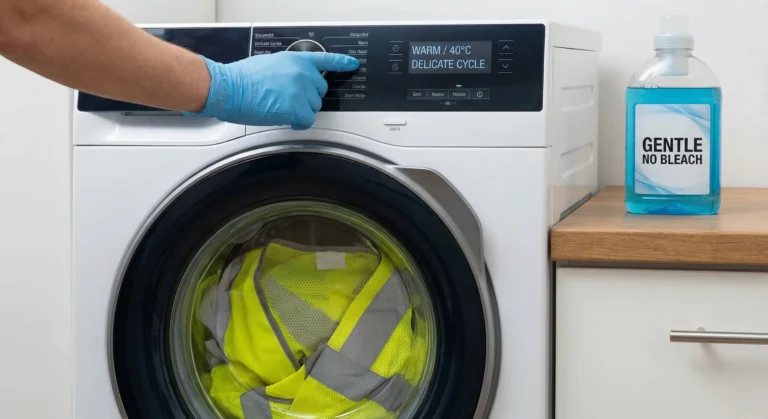
The essentials: wash cold or warm inside out, mild detergent only, no bleach or softener, hang dry or tumble low. Most hi-vis garments are rated for around 25 wash cycles — check the care label. For the full lifespan picture, see how many washes hi-vis lasts.
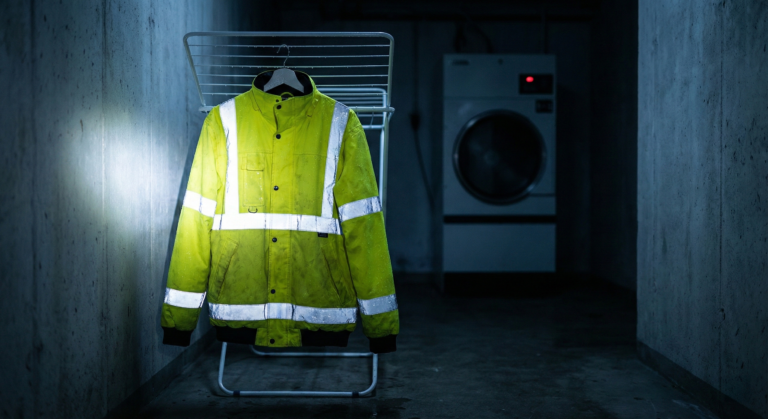
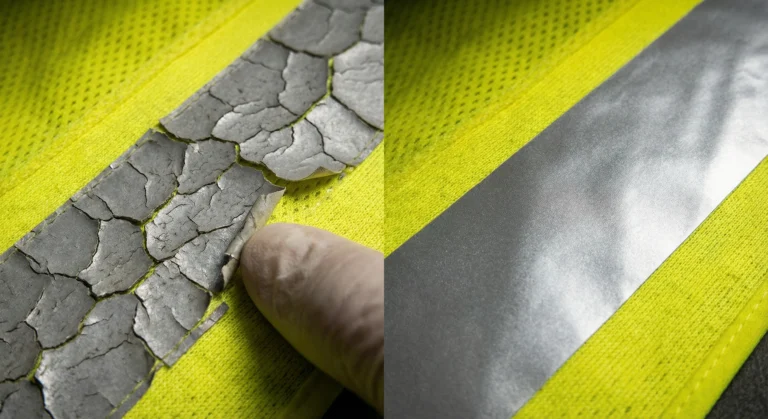
Also inspect regularly: hold the vest up in good light and check the tape with a flashlight in the dark. Cracked, peeling, or dull tape means retirement — not “one more month.”
Fit, Layers, and When to Retire
Fit matters for visibility as well as comfort. A Class 2 garment should close fully over the layers you actually wear on the job, and its fluorescent background and tape should stay visible from the front, back, and sides. A vest worn open, or with a backpack, tool belt, or outer jacket covering most of the tape, is not doing the job the class promises.
Retire a garment when the fluorescent fabric is heavily faded, the tape is cracked, peeling, or dull, seams or closures have failed, or the garment no longer fits closed over your working layers. Replacing it promptly is cheaper than a near miss nobody saw coming.
Does washing affect my vest’s class rating?
The class is assigned to the new garment, but yes — fading and tape degradation in the wash reduce real-world visibility. A heavily faded Class 2 vest no longer performs as Class 2. Wash gently and retire on condition.
FAQs
What’s the difference between Class 1 and Class 2 hi-vis?
Class 2 requires substantially more fluorescent background material and reflective tape than Class 1 — roughly three times the background fabric. Class 1 suits low-risk settings; Class 2 is the standard for road work and higher-traffic environments.
Is a regular safety vest automatically Class 2?
No. Safety vest describes the garment style; the class describes how much compliant material it has. Check the label — it should state the ANSI/ISEA 107 class. A vest without a class marking should not be assumed compliant.
Can I wear a Class 2 vest for a Class 3 job?
Not alone. Class 3 requires full-torso-plus-limbs coverage. However, a Class 2 vest combined with Class 2 pants or other Class 2 garments can form a Class 3 ensemble — check that the combination is rated as such.
Related: ANSI/ISEA 107 Classes Explained · How Many Washes Does Hi-Vis Last? · Hi-Vis FR Clothing