NFPA 2112 vs NFPA 70E: Key Differences Explained
NFPA 2112 and NFPA 70E are the two big FR clothing standards – and the most confused pair in workwear safety. They sound similar, both involve flame-resistant garments, and many coveralls carry both labels. But they protect against different hazards and work in different ways. Here is the complete comparison.
The One-Sentence Difference
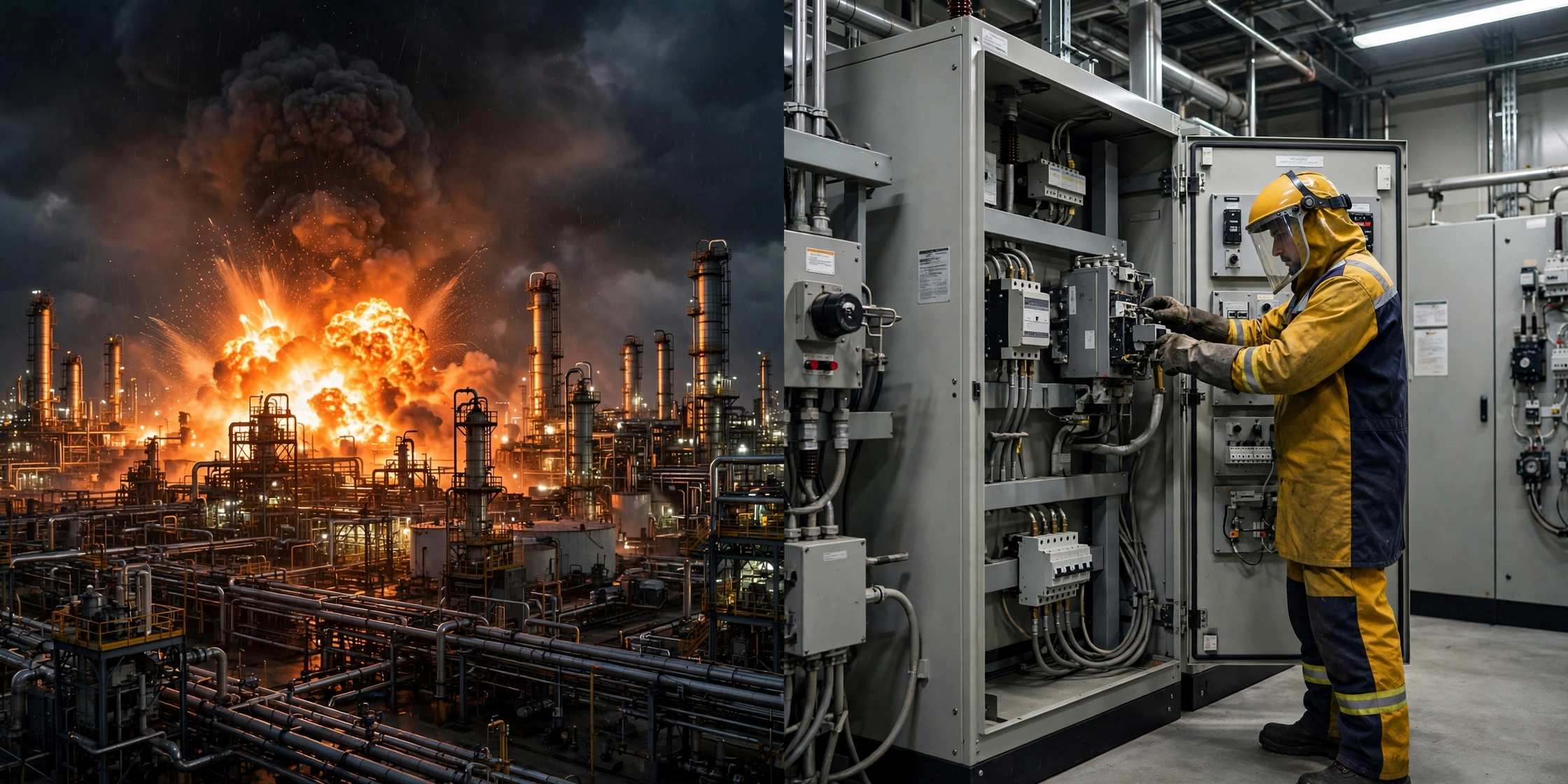
- NFPA 2112 = protection against flash fire (oil, gas, chemical industries)
- NFPA 70E = protection against arc flash (electrical work)
That is the core. Everything else flows from it.
Side-by-Side Comparison
| NFPA 2112 | NFPA 70E | |
|---|---|---|
| Full name | Standard on Flame-Resistant Clothing for Protection of Industrial Personnel Against Short-Duration Thermal Exposures from Fire | Standard for Electrical Safety in the Workplace |
| Hazard | Flash fire – sudden intense fire sweeping an area | Arc flash – explosive electrical energy release |
| Industries | Oil and gas, petrochemical, refining, chemical | Electricians, utilities, electrical maintenance, linemen |
| Rating system | Pass/fail – max 50% predicted body burn in manikin test | CAT 1-4 levels (4, 8, 25, 40 cal/cm2) |
| What the label shows | NFPA 2112 compliance mark | Arc rating (cal/cm2) + CAT level |
| Garment focus | The garment’s fabric performance | The whole electrical safety program (PPE is one part) |
| Care standard | Companion: NFPA 2113 (selection, care, use) | Care covered within 70E’s PPE requirements |
Different Hazards, Different Tests
NFPA 2112 testing simulates a flash fire: an instrumented manikin wearing the garment is exposed to a controlled flash fire, and sensors predict burn injury. Pass = predicted body burn of 50% or less, no melt/drip, limited shrinkage.
NFPA 70E’s arc rating comes from arc flash testing: fabric samples are exposed to an electric arc, and the incident energy they block is measured in cal/cm2. That number becomes the garment’s arc rating, which maps to a CAT level.
A fabric that passes one test does not automatically pass the other – they are different physics.
Can One Garment Meet Both?
Yes — and many do. Dual-certified FR coveralls carry both the NFPA 2112 mark and an arc rating with a CAT level, so one garment covers both hazards. This is common in utilities and similar industries where workers face electrical and flash-fire risks on the same job, and it avoids changing garments between tasks.
But “both” is not automatic:
- A garment certified only to NFPA 2112 is NOT rated for arc flash electrical work.
- A garment with only an arc rating is NOT certified for flash-fire environments (though arc-rated FR generally performs well, certification matters for compliance).
Check both labels. If your job has both hazards, your garment needs both certifications.
Which Standard Does Your Job Need?
Match the standard to the hazard, not the job title: flash-fire risks in oil, gas, and chemical work call for NFPA 2112, while electrical work with arc flash exposure calls for an NFPA 70E arc rating and CAT level. Jobs with both hazards need both certifications, and your employer’s hazard assessment makes the final call.
- Oilfield, refinery, chemical plant, fuel handling – NFPA 2112 (flash fire). Learn more: NFPA 2112 explained
- Electrical panels, switchgear, substations, motor control centers – NFPA 70E arc rating + CAT level (categories guide)
- Utility line work (electrical + outdoor/roadside) – Often both – arc rating for the electrical hazard, and hi-vis FR if traffic is a factor (hi-vis FR guide)
- Welding – Usually company policy + general FR; neither standard is the primary driver, but FR is still required
When in doubt, your employer’s hazard assessment decides – not the garment catalog.
Do the Care Rules Differ?
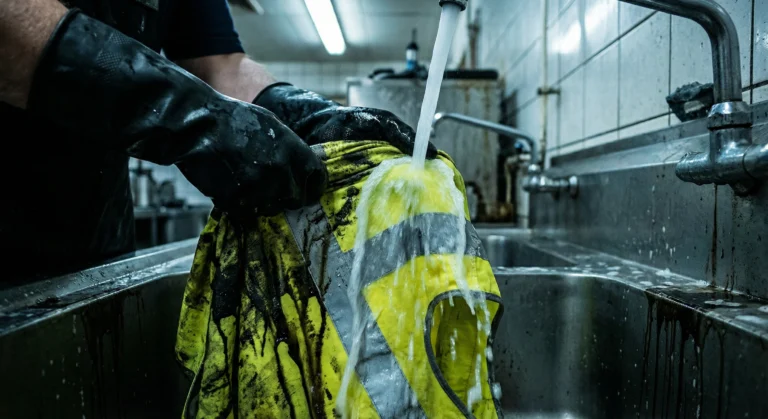
Largely, no. Both standards demand the same laundering discipline: mild detergent with no bleach, softener, or starch, washing separately and inside out, and following the garment label. The differences are in the standards’ testing and certification, not in how you wash the clothing day to day.
- Mild detergent – no bleach, no softener, no starch
- Wash separately, inside out
- Follow the garment label
The full routine: FR clothing care guide. And remember NFPA 2113 (the companion to 2112) specifically covers selection, care, use, and maintenance – it is the “owner’s manual” standard.
The OSHA Connection
Neither standard is OSHA law by itself – but OSHA enforces the underlying hazards as law, and treats both standards as recognized industry practice. Details: OSHA vs NFPA 70E.
Can one garment carry both NFPA 2112 and NFPA 70E labels?
Yes. A garment can carry both labels when it passes NFPA 2112’s flash-fire manikin test and earns an arc rating under NFPA 70E testing. Check for the NFPA 2112 compliance mark plus the arc rating and CAT level on the same label — if either is missing, the garment covers only one hazard, not both.
Which standard should I check first for a new job?
Check the hazard first, not the standard. If the job involves flammable gases, vapors, or liquids with flash-fire risk, confirm NFPA 2112 compliance. If it involves energized electrical equipment with arc flash risk, confirm the NFPA 70E arc rating and CAT level. Jobs with both hazards need both certifications on the garment.
FAQs
Is NFPA 70E the same as NFPA 2112?
No. NFPA 2112 covers flash fire protection for oil, gas, and chemical workers, while NFPA 70E covers arc flash protection for electrical workers. They address different hazards, use different tests, and produce different ratings, so a garment certified to one standard is not automatically compliant with the other.
Which is stricter?
Neither — they are strict about different things. NFPA 2112’s 50% predicted body-burn limit is a hard pass-or-fail line in the manikin test, while NFPA 70E’s CAT system scales protection to the measured incident energy. Which standard feels stricter depends entirely on the hazard you face.
Do I need both certifications?
Only if your job has both hazards. Many workers need just one standard — flash-fire protection for oil and gas work, or an arc rating for electrical work. If your hazard assessment identifies both risks, choose dual-certified garments that carry the NFPA 2112 mark and an arc rating with a CAT level.
What is NFPA 2113 then?
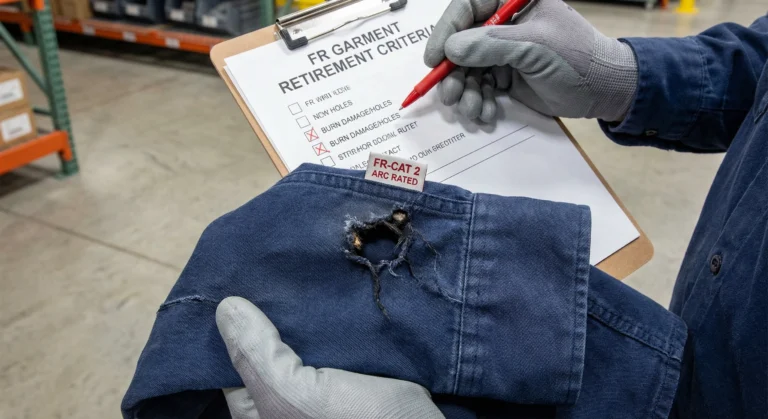
The companion to 2112: it covers how to select, care for, use, and retire FR garments for flash-fire protection. Think of 2112 as the garment standard and 2113 as the user manual.
Related: NFPA 2112 Explained | Arc Flash PPE Categories | What Is FR Clothing?