
Reflective Tape Peeling or Cracking? Causes, Prevention, and When to Replace Hi‑Vis Gear
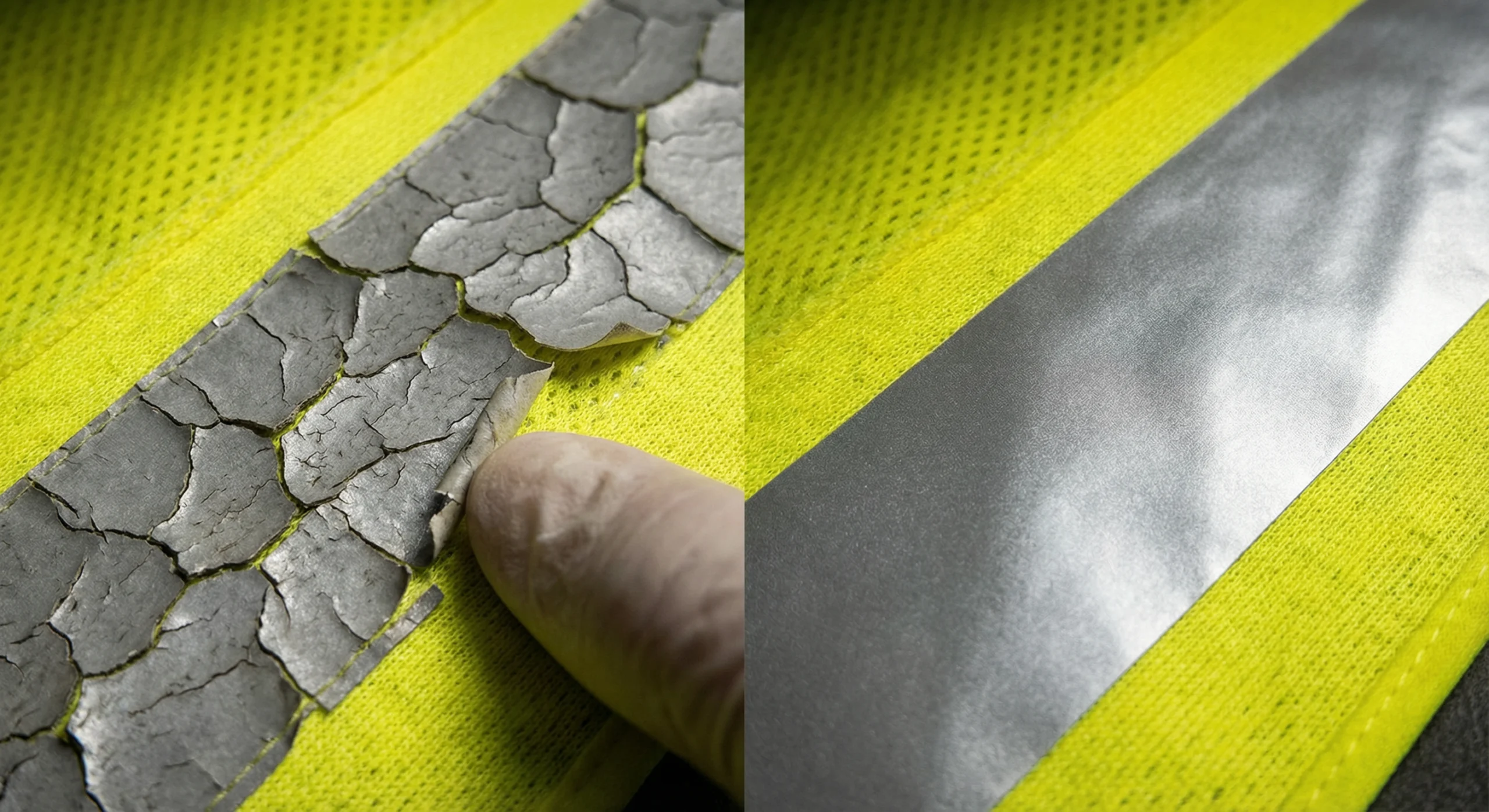
Reflective trim is what makes hi‑vis clothing work at night. When tape starts peeling, cracking, or turning dull gray, your garment may still “look fine” in daylight—but nighttime visibility can drop.
This article explains:
- Why reflective tape fails?
- What you can do to slow damage?
- How to decide when replacement is the safest move?
Safety note: Always follow the garment care label and your workplace safety program. Replace hi-vis gear if reflective trim is peeling/cracked or visibility is reduced.
Quick Links
-
/hi-vis-reflective-care/ -
/wash-hi-vis-clothing-reflective-tape/ -
/wash-fr-hi-vis-workwear/ -
/ppe-decontamination-retirement-guide/
1) The 3 biggest reasons reflective tape fails
Cause #1: Heat (especially high-temperature drying)
3M’s reflective fabric technical data sheet warns that drying methods such as tumble drying at high temperatures can limit garment life and should be considered part of the cleaning process.
Also Read: best way to dry hi vis clothing
What you’ll see:
- cracking
- hard/brittle feel
- edge lift
Cause #2: Harsh stain treatments / high alkalinity
3M’s home wash guidance states that if bleach is needed, use non-chlorine bleach only, and that high alkaline treatments such as stain removal products should not be used.
What you’ll see:
- dulling
- surface damage
- premature aging
Cause #3: Abrasion and flex stress
3M notes certain designs and construction can lead to premature abrasion (e.g., disproportionate flexing).
Even without design issues, daily wear (tool belts, concrete dust, frequent bending) accelerates failure.
2) Contaminants can reduce reflectivity (even if tape looks “okay”)
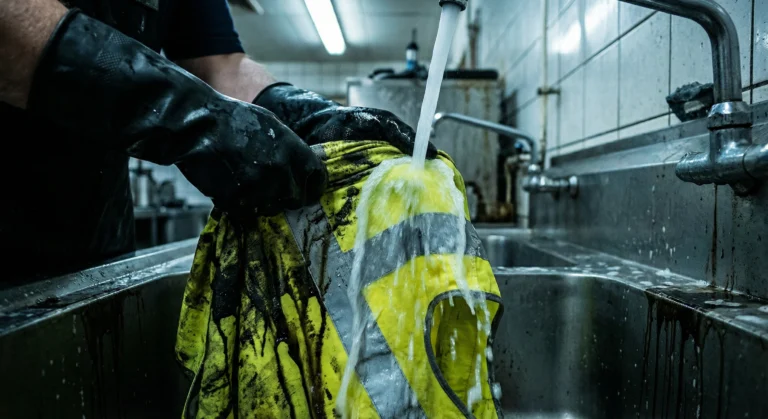
3M’s “Essential Information” states performance varies by use/maintenance and that exposure to contaminants (e.g., corrosive) may decrease retroreflectivity; contaminated reflective apparel should be promptly cleaned according to care instructions.
Real-world examples:
- diesel grime film
- oil mist
- corrosive dust exposure
- heavy industrial dirt
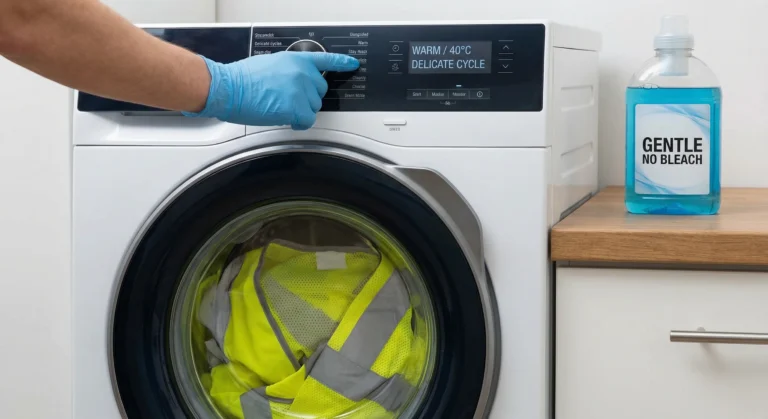
3) Prevention: a safer wash + dry routine (quick checklist)
Turn garment inside out
- Wash with normal detergent at moderate temperature (many trims use 60°C/140°F max for home laundering)
- Avoid harsh stain removers (high alkalinity)
- Skip fabric softener (coating risk; also prohibited in some NFPA 2112 user guidance)
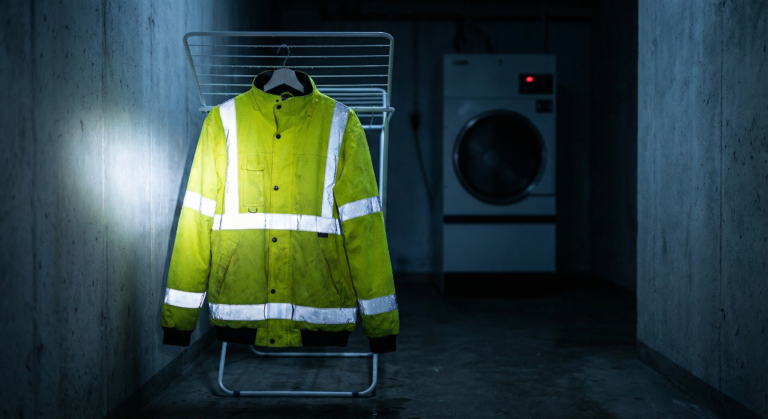
- Dry on low heat or air dry; avoid overheating
4) Can you “fix” peeling reflective tape?
Sometimes you can temporarily stop edge lift, but you must be careful:
- Some adhesives and heat-applied fixes can further damage trim or violate uniform compliance rules.
- If reflective performance is critical for your jobsite, replacement is often the safest, simplest decision.
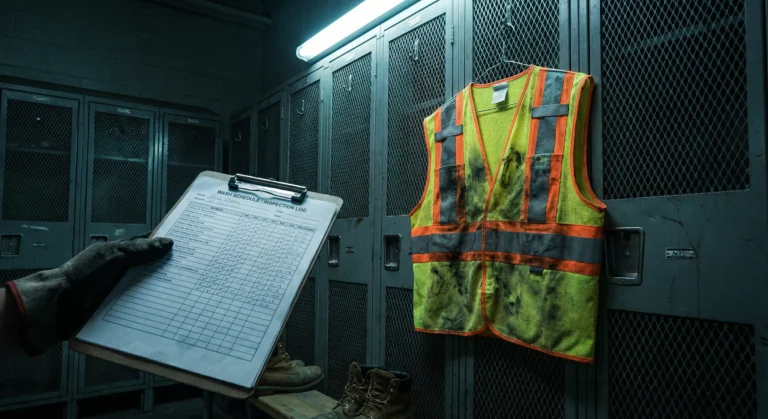
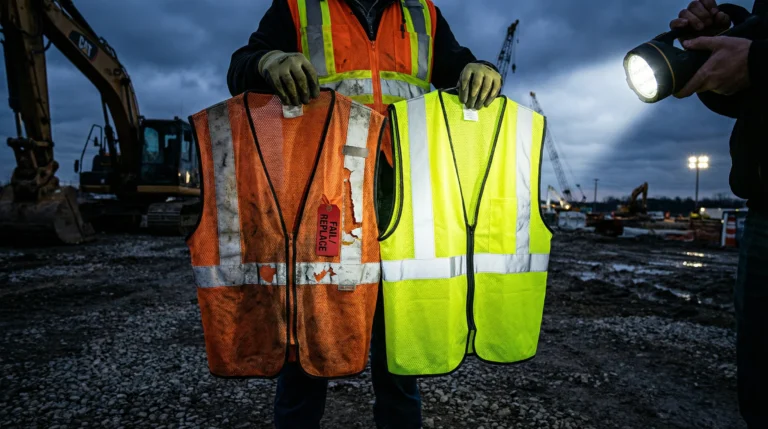
Safety-first rule: If the tape is peeling/cracking across large areas, treat it as a visibility failure and replace the garment.
5) When to replace (simple decision points)
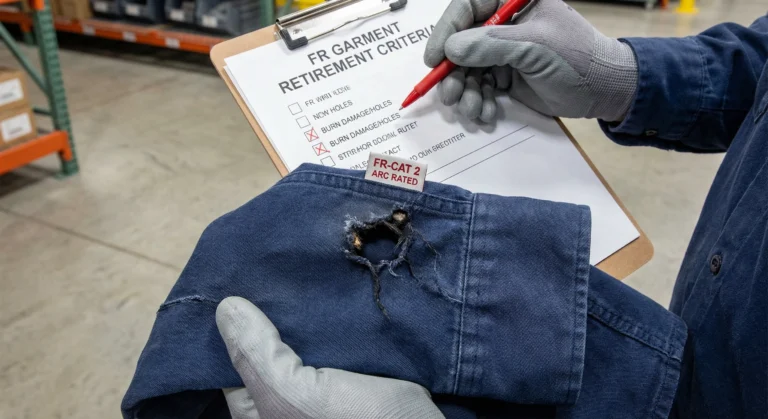
Replace or remove from service if:
- tape is peeling/cracking across working areas (not just a tiny edge)
- reflectivity is visibly reduced at night
- the garment is required for compliance (road/rail/utility) and no longer meets site expectations
3 Comments