NFPA 2113 Explained: The FR Garment Care Standard
Most people in FR workwear have heard of NFPA 2112 — the standard garments are built to. Far fewer know about its companion: NFPA 2113, the standard that governs what happens after the garment leaves the factory. If 2112 is about how FR clothing is made, 2113 is about how it’s chosen, cared for, used, and retired. Here’s what it covers and why your safety program should follow it.
What is NFPA 2113? NFPA 2113 explained: it is the NFPA standard for selection, care, use, and maintenance of flame-resistant garments for industrial personnel. Unlike NFPA 2112, which certifies the garment itself, 2113 covers the program around it: choosing the right garment, laundering it correctly, inspecting and repairing it, and retiring it on time.
What NFPA 2113 Covers
NFPA 2113 is the standard on selection, care, use, and maintenance of flame-resistant garments for industrial personnel. In practice, it addresses the full life of an FR garment in service:
- Selection — choosing garments appropriate for the hazard, not just any “FR” item off the shelf.
- Care — laundering and maintenance requirements that keep the protection intact (wash methods, what to avoid).
- Use — wearing the garments correctly as part of a protective system.
- Maintenance — inspection, repair, and storage between uses.
- Retirement — pulling garments from service when they’re no longer protective.
The core idea: a certified garment only protects when the program around it is sound. 2113 is the standard for that program.
How 2113 Relates to NFPA 2112
The two standards are companions, not competitors.
| NFPA 2112 | NFPA 2113 | |
|---|---|---|
| Focus | The garment itself | The garment in service |
| Answers | “Is this garment FR?” | “Are we managing FR garments correctly?” |
| Applies to | Manufacturers and testing | Employers and wearers |
NFPA 2112 sets the minimum performance bar a garment must clear to be called FR for flash fire protection. NFPA 2113 picks up where 2112 leaves off — it tells employers how to select those garments, keep them clean and intact, inspect them, repair them properly, and retire them on time. You need both halves: a certified garment managed badly is as dangerous as an uncertified one.
Where NFPA 70E Fits
NFPA 70E is the electrical safety standard — it governs arc flash protection, including PPE categories and the clothing system workers must wear. NFPA 2113 complements it: where 70E says what protection is required for electrical hazards, 2113 describes how to maintain FR garments generally so they keep performing.
For most workplaces, the practical picture is simple: 70E sets the requirement, 2112 certifies the garment, and 2113 keeps the garment protective through its working life.
Do I need to follow 2113 if my site already follows NFPA 70E?
They cover different ground. 70E governs electrical safety and arc flash PPE requirements; 2113 governs the care and maintenance program for FR garments. Following 70E does not replace a garment-care program — the two work together.
Inspection, Cleaning, and Repair Principles
NFPA 2113’s maintenance principles translate into everyday rules:
- Inspect regularly. Garments should be checked for damage, contamination, and wear before and after use, with a clear pass-or-fail result.
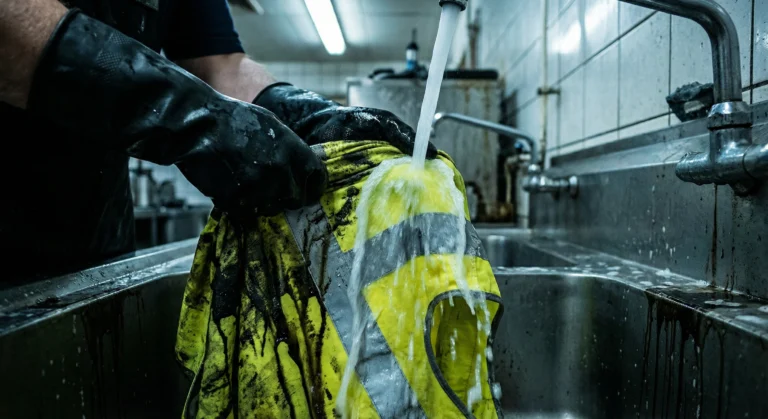
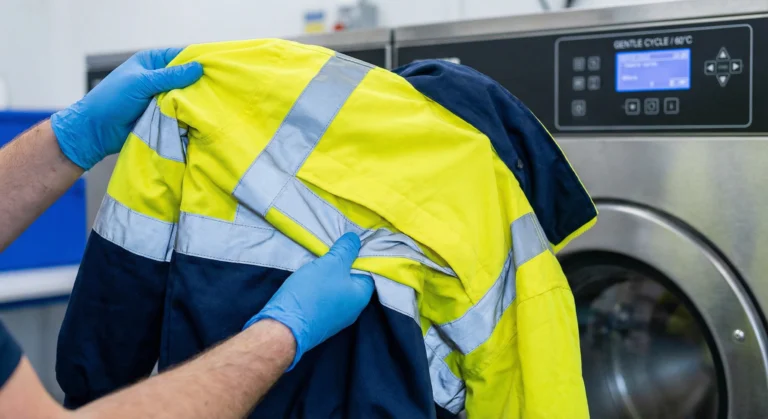
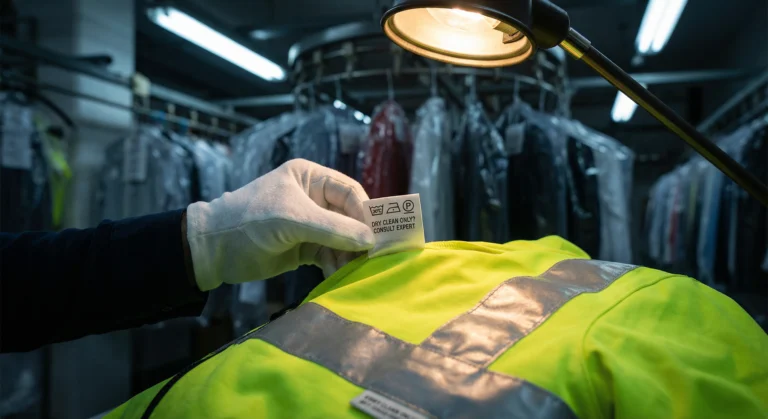
- Clean correctly. Laundering must follow methods that preserve FR properties — the wrong detergent, temperature, or additive can reduce protection.
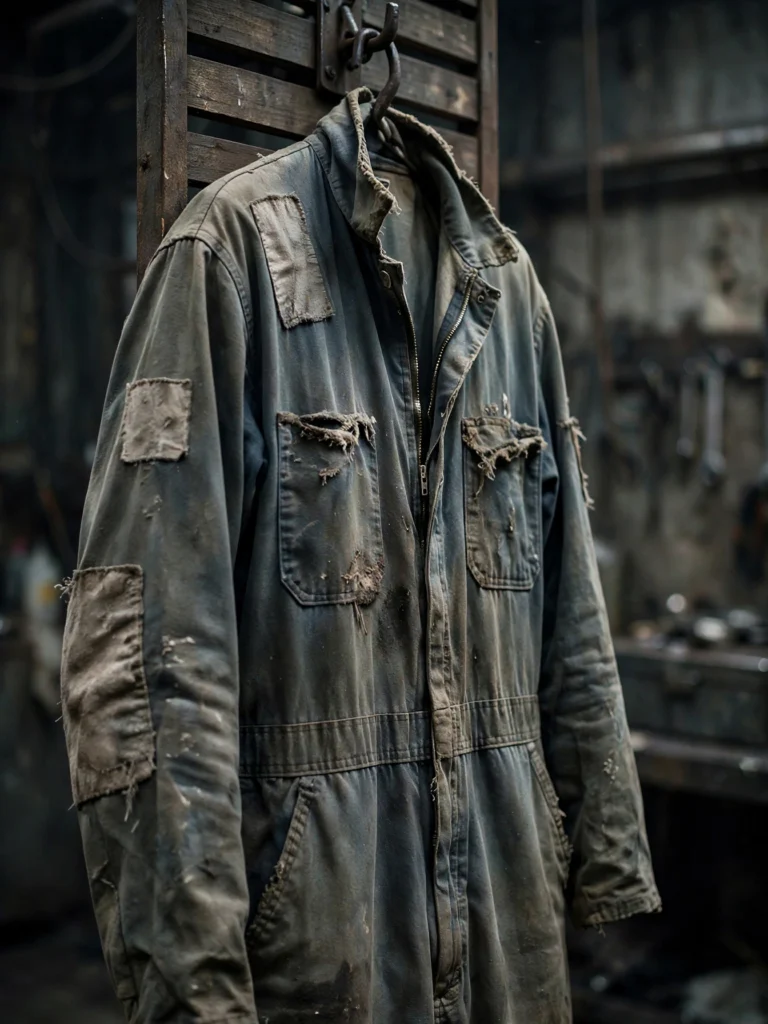
- Repair only what’s repairable. Small repairs with FR-rated materials are acceptable; repairs that use non-FR fabric or thread are not.
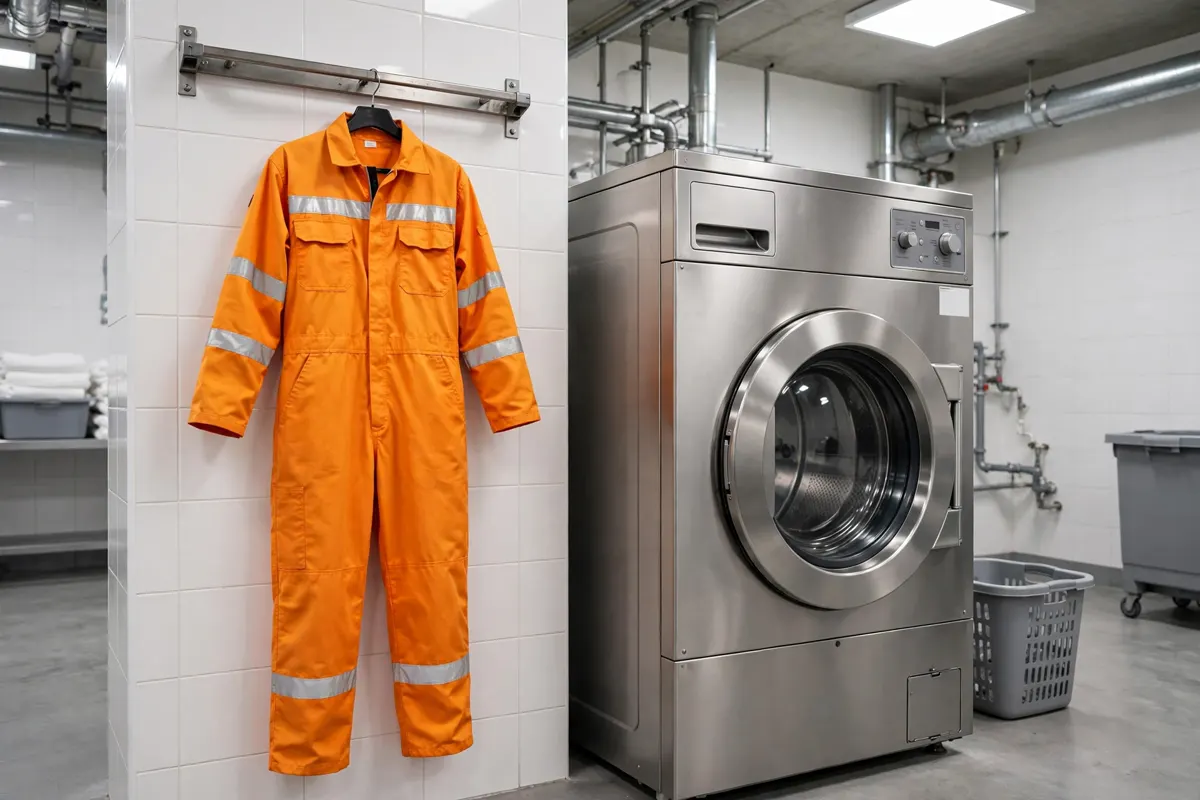
- Store properly. Clean, dry, cool, and dark — contaminated or damaged garments should be kept separate from clean gear. See how to store FR clothing for the storage rules in full.
None of this is exotic. It’s the discipline of treating FR clothing as safety equipment rather than ordinary workwear.
What This Means for Your Program
If you’re a safety manager (or the worker who actually cares), 2113 boils down to a short program checklist:
- Select garments certified to the right standard for your hazard.
- Write down the laundering rules and make sure everyone follows them.
- Schedule inspections with clear pass/fail criteria.
- Define what can be repaired and what must be retired.
- Train wearers — the best program fails if the people in the garments don’t know the rules.
You don’t need to memorize the standard. You need a program that does what it describes.
Records and Responsibility
A program that exists only in someone’s head will not survive shift changes. Put it in writing: who inspects each garment, how often, what the pass/fail criteria are, and what happens to a garment that fails. Keep simple records of inspections, cleaning, repairs, and retirements, and keep the manufacturer’s care instructions on file so a new supervisor or laundry provider can follow them without guessing.
Employers also have a broader duty to assess hazards and provide suitable protective equipment; OSHA’s personal protective equipment guidance explains that duty. A written 2113-style program is how that duty is carried out day to day for FR garments.
Common Program Mistakes
- Letting workers launder FR garments at home with no rules on detergent, temperature, or additives.
- Repairing FR garments with ordinary thread, patches, or fabric that will burn or melt.
- Keeping contaminated or damaged garments in service while waiting for a replacement.
- Having no retirement criteria, so garments stay in use until they fall apart.
- Storing dirty garments with clean ones, so contamination spreads between sets.
FAQs
Is NFPA 2113 a law?
What’s the difference between NFPA 2112 and 2113?
Does NFPA 2113 tell me exactly how to wash my FR clothing?
Related: NFPA 2112 Explained · FR Clothing Care Guide · When to Replace FR Clothing