ANSI ISEA 107 Classes: ANSI ISEA 107 Classes And Types Explained Simply
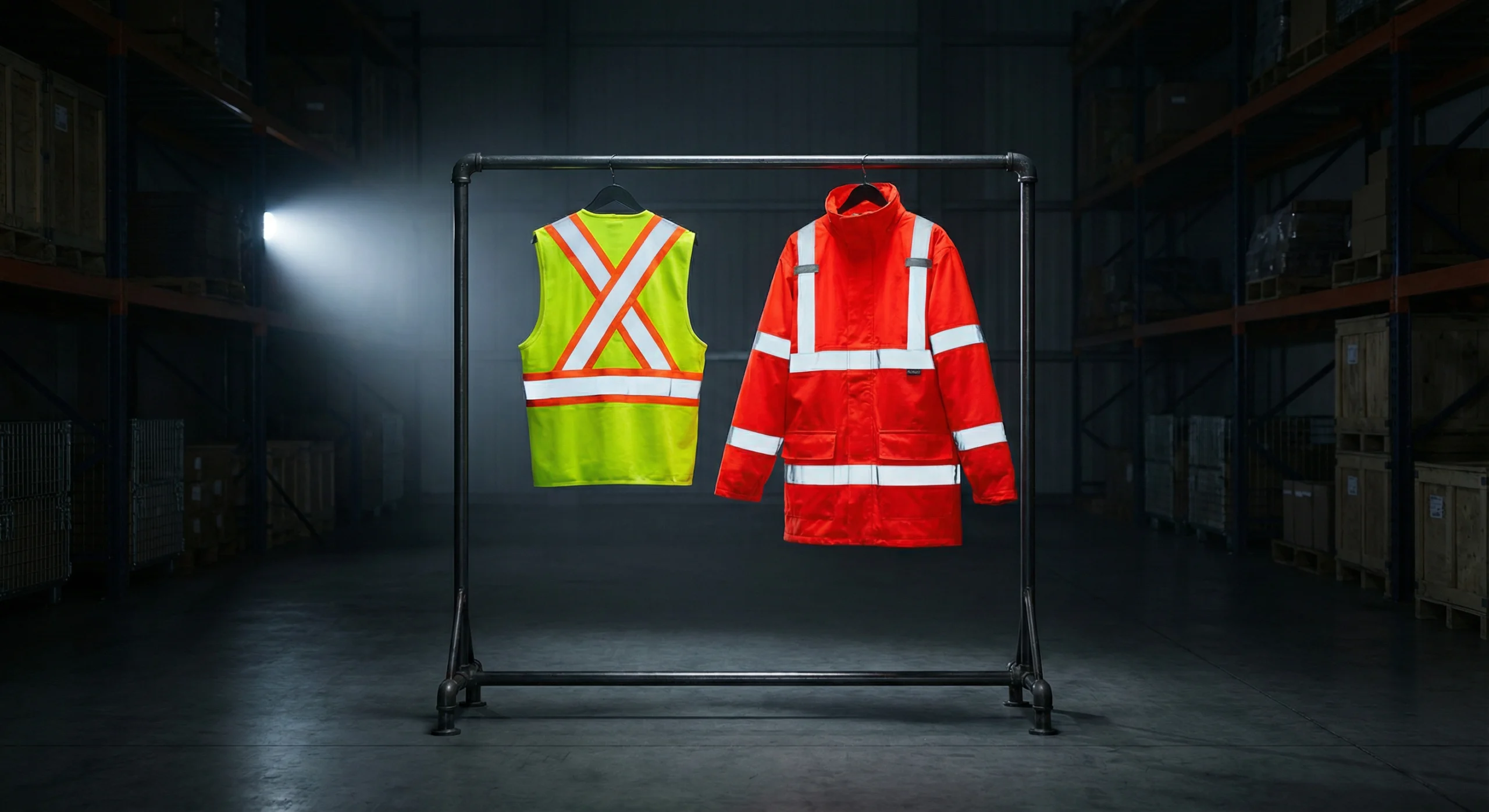
ANSI ISEA 107 classes help employers and workers choose the right level of high-visibility (hi-vis) apparel for the risk environment. The standard uses:
- Performance Classes (Class 1, 2, 3) and
- Garment Types (Type O, Type R, Type P)
This post explains ANSI ISEA 107 classes in plain English so you can match gear to job conditions.
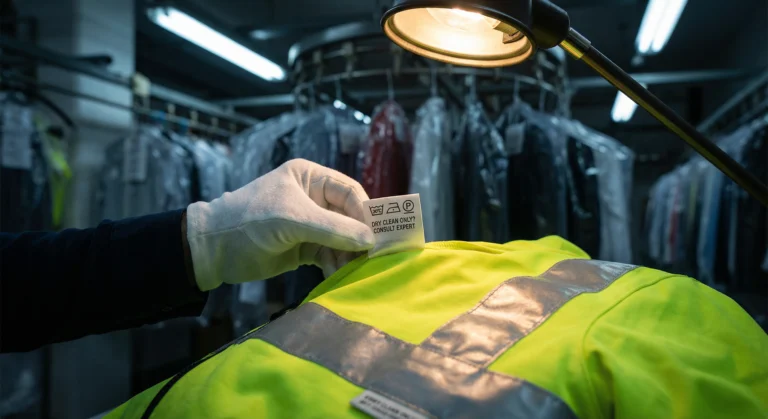
Safety note: Always follow the garment care label and your workplace safety program.
Quick Links:
- /hi-vis-reflective-care/
- /when-to-replace-hi-vis-clothing/
- /best-way-to-dry-hi-vis-clothing/
- Safety: /ppe-decontamination-retirement-guide/
ANSI ISEA 107 Classes: What The Classes Mean
Class 1
Typically the lowest amount of visible material, intended for lower-risk environments.
Class 2
More background and reflective material than Class 1, intended for higher risk and more complex environments.
Class 3
Highest visibility level, often including sleeves/legs coverage to improve visibility through a full range of body movement.
ANSI ISEA 107 Classes: What The Types Mean
Type O (Off-Road)
For workers not exposed to public roadway traffic (but may have moving equipment).
Type R (Roadway)
For workers exposed to roadway traffic and temporary traffic control environments.
Type P (Public Safety)
For law enforcement and emergency responders working near traffic with job-specific design needs.
Why Care And Maintenance Still Matters
Even if your garment is labeled to a class/type, performance can drop if:
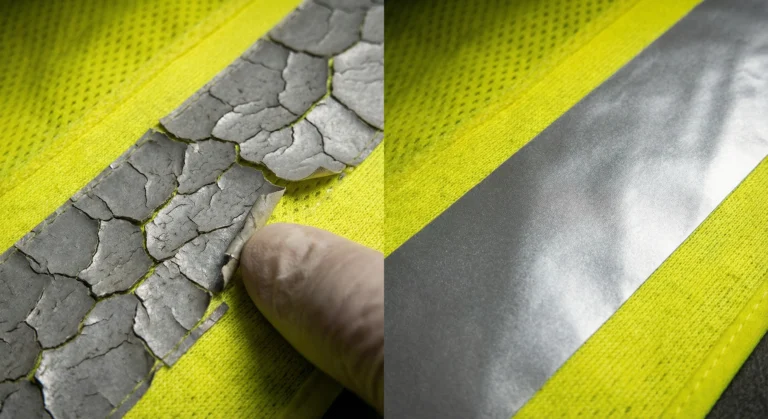
- reflective tape is peeling/cracking/dull
- fluorescent fabric is faded
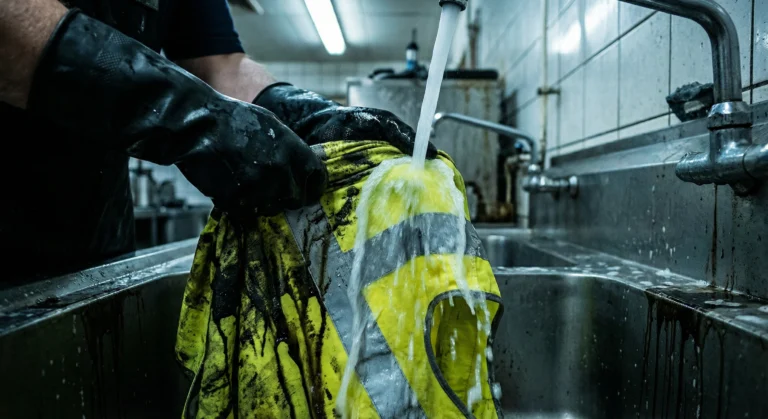
- heavy grime/oil film blocks reflectivity
So use the right class/type, then maintain it properly.
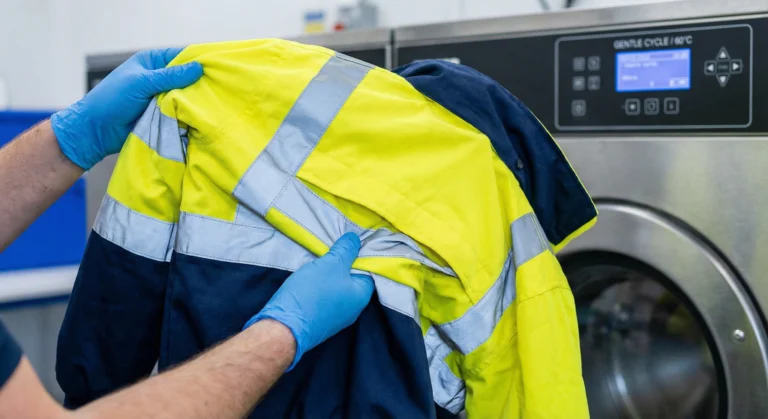
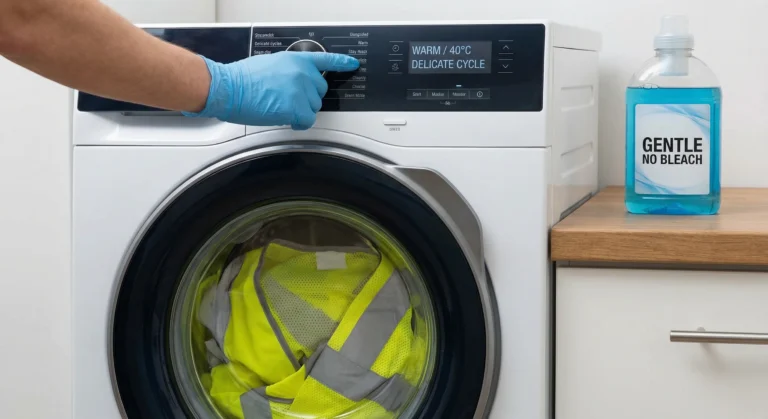
Also Read: washing rules that protect reflective trim